
How to Clean a Dishwasher Filter: The 2026 Guide to Spotless Dishes Every Cycle
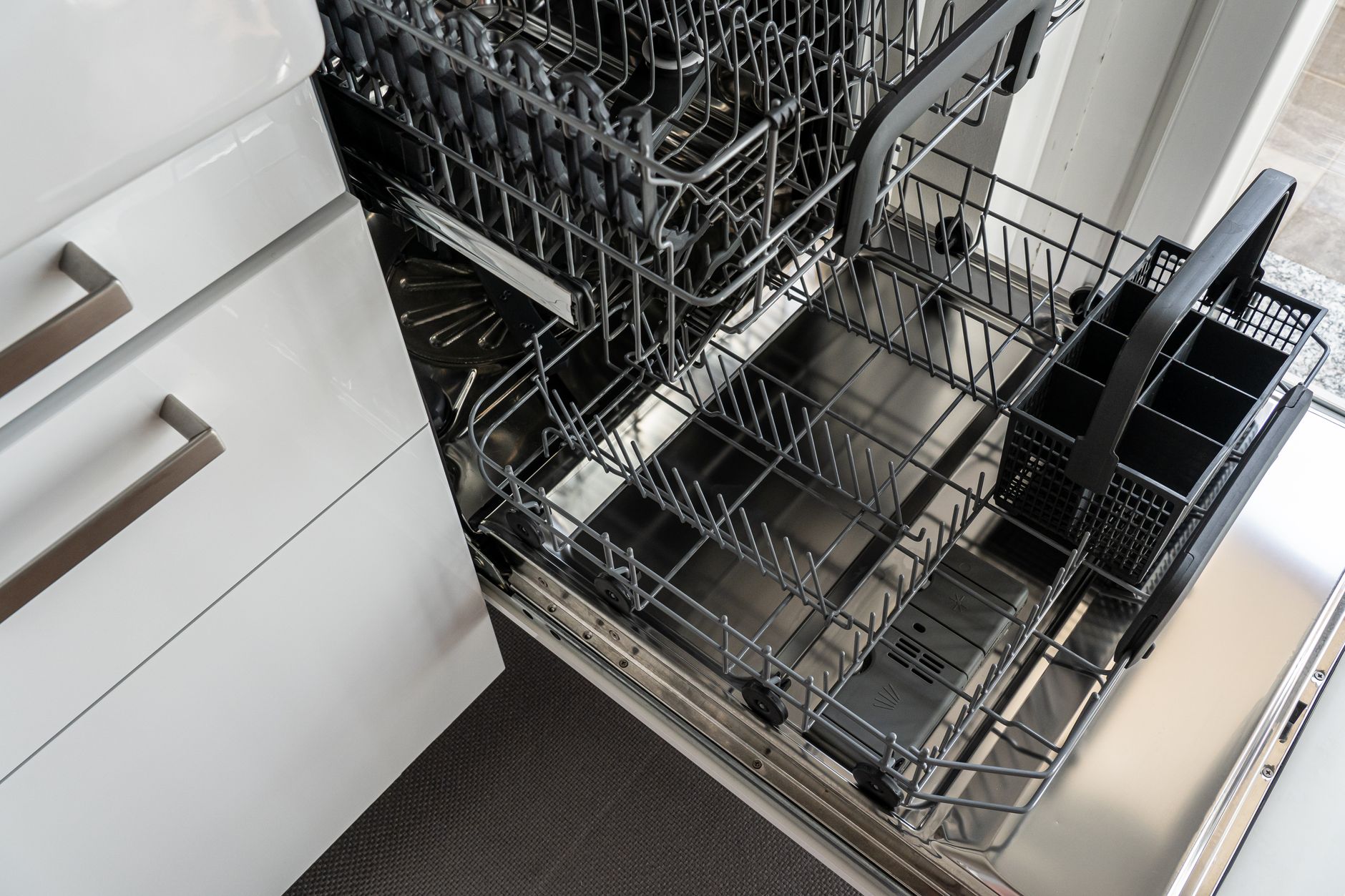
Your “clean” dishes come out cloudy. Your dishwasher smells like a swamp. And somehow, there’s grit more spread around than when you loaded it. If this sounds familiar in 2026, you’re not alone—and the fix is probably simpler than replacing your entire appliance.
With energy-efficient dishwashers now running longer, cooler cycles to meet new EPA standards, that neglected filter is working harder than ever. Learning how to clean a dishwasher filter isn’t just a maintenance chore; it’s the difference between dishes that actually shine and a machine that quietly breeds bacteria. The good news? This 10-minute task requires zero special tools and pays off immediately in performance, smell, and even your energy bill.
Why Your Dishwasher Filter Matters More in 2026
Modern dishwashers have changed dramatically. The 2026 models hitting stores tout “AI-optimized spray patterns” and “ultra-efficient eco cycles,” but here’s what manufacturers don’t shout about: cooler water temperatures and shorter rinse phases mean food particles don’t get blasted away as aggressively. Your filter catches what the spray arms miss.
Skip cleaning it, and you’re looking at:
- Re-deposited food particles baking onto your “clean” plates
- Standing water at the bottom after cycles finish
- Sulfur smells from anaerobic bacteria colonizing trapped debris
- Strain on the drain pump, shortening your appliance’s lifespan by 2-4 years
A clogged filter also forces your dishwasher to work harder, undermining those efficiency gains you paid for. The Department of Energy’s updated 2026 standards save water and electricity—if your machine can actually drain properly.
How to Clean a Dishwasher Filter: Step-by-Step
Most filters need attention every 3-4 weeks with regular use, or weekly if you’re cooking heavily or skipping pre-rinsing (which, honestly, you should—modern detergents need some food to activate properly).
Step 1: Prep and Access
Start with an empty dishwasher. Pull out the bottom rack completely—this gives you unobstructed access and lets you check the rack wheels for food buildup too. Lay a towel on the floor; you’ll thank yourself when that inevitable drip escapes.
Step 2: Locate Your Filter Type
You’ll find one of two setups:
Twist-out cylindrical filter (most common in 2020+ models): A round, mesh or plastic cylinder sitting in the dishwasher floor’s center, often with a surrounding flat “coarse filter” plate.
Manual clean filter (older or budget models): A flat screen that lifts straight out, sometimes with a separate food trap beneath.
Check your manual if unsure, but the twist-lock style dominates 2026’s market. It typically rotates counter-clockwise to unlock—look for arrows embossed on the plastic.
Step 3: Remove and Inspect
For twist-out models: grip the filter cylinder firmly, rotate counter-clockwise until it releases (usually ¼ turn), then lift straight up. The surrounding flat filter may come with it or lift separately.
What you’re looking for: gray slime, seeds, glass-like detergent buildup, or that horror-show of pasta debris from Tuesday’s lasagna. Note any hard white deposits—these signal hard water scale that needs separate treatment.
Step 4: The Actual Cleaning
Rinse under hot running water first. This removes 70% of debris immediately.
Scrub with a soft brush—an old toothbrush dedicated to appliance cleaning works perfectly. Work the mesh or plastic grooves gently; aggressive scrubbing damages fine screens.
For greasy buildup: Add a drop of dish soap to your brush. The surfactants cut through the biofilm that water alone won’t touch.
For mineral deposits: Soak in white vinegar for 10 minutes, then scrub. In hard-water areas (looking at you, Arizona and Florida readers), this becomes a monthly necessity.
Never use: Wire brushes, scouring pads, or bleach—unless you enjoy replacing filters prematurely or risking plastic degradation.
Step 5: Reinstall Correctly
This is where people mess up. The filter must seat perfectly flat and lock securely. A crooked filter lets food bypass into the drain pump—hello, $200 service call.
Twist clockwise until you feel the click or see alignment arrows match. Give it a gentle tug to confirm it’s locked. Replace the bottom rack, and you’re done.
Signs Your Filter Needs Attention Now
Beyond the obvious smells and dirty dishes, watch for these 2026-specific indicators:
- Error codes E24 or F12 (Bosch/Samsung): drain issues, often filter-related
- Cloudy glassware that vinegar rinses don’t fix: particles are etching during drying
- Longer cycle times: your machine’s sensors detect poor drainage and extend rinses
- Water pooling above the filter after a full cycle: classic clog signature
If you’ve cleaned the filter and problems persist, check the drain hose for kinks or the air gap (that dome on your sink) for clogs—these are the next suspects in the drainage chain.
Keeping It Clean: The Minimal-Effort Schedule
The best filter cleaning is the one you actually do. Build it into existing habits:
- Monthly deep clean: Tie it to your electric bill due date or a phone reminder
- Weekly quick rinse: Just lift and rinse under the tap while your coffee brews—30 seconds
- Post-holiday reset: After Thanksgiving, Christmas, or any heavy-entertaining period, do a full scrub
For households with young kids or immunocompromised members, lean toward the weekly schedule. The warm, wet filter environment is Legionella bacteria’s favorite vacation spot—not hyperbole, but documented in appliance microbiology studies.
The Bottom Line
Knowing how to clean a dishwasher filter transforms one of your home’s hardest-working appliances from a smelly disappointment into the reliable workhorse it was designed to be. In 2026’s efficiency-focused market, that 10-minute investment protects your purchase, your dishes, and frankly, your nose.
Start today: pull that bottom rack, twist out the filter, and see what you’ve been missing. Your next load of genuinely clean dishes will prove the effort was worth it.