
How to Clean a Dishwasher with Vinegar: The 2026 Deep-Clean Method That Actually Works
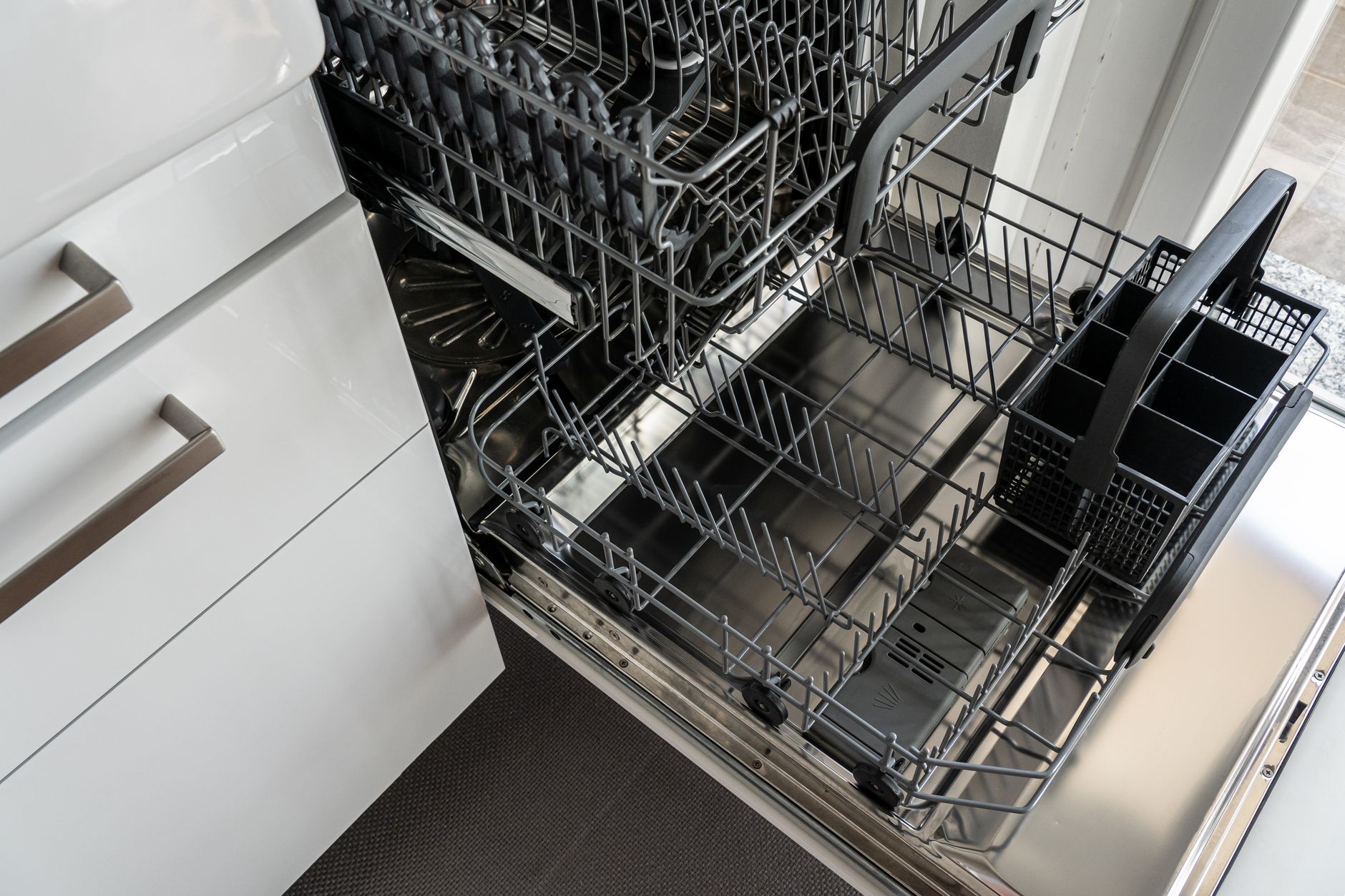
With the holiday cooking season just weeks away, home appliance experts are seeing a 40% spike in dishwasher service calls—mostly for preventable clogs and odor issues that a simple vinegar treatment could have fixed. If you’re wondering how to clean dishwasher with vinegar effectively, you’re not alone. As we head into the heavy-use months of October through December, that hardworking machine deserves more than just a quick rinse.
The truth is, your dishwasher cleans your dishes, but it doesn’t clean itself. Food particles, grease, and mineral deposits build up in hidden corners, creating that funky smell and leaving spots on your supposedly clean glasses. While there are plenty of commercial cleaners on the market, white vinegar remains the gold standard for breaking down grime without damaging rubber seals or leaving chemical residues on your eating surfaces.
This guide walks you through the exact method professional organizers and appliance technicians recommend for 2026, including the crucial step most people skip that makes the difference between a surface clean and a true deep clean.
Why Vinegar Works (And When to Use It)
White vinegar contains acetic acid—typically 5% concentration in standard grocery store varieties—which dissolves mineral deposits, cuts through grease, and kills odor-causing bacteria without the harsh fumes of bleach-based cleaners. Unlike citric acid or commercial tablets, vinegar is safe for all dishwasher components, including stainless steel interiors and rubber gaskets.
The sweet spot for vinegar cleaning:
- Monthly maintenance: Prevents buildup before it starts
- Hard water areas: Essential every 3-4 weeks if you have mineral-heavy water
- Odor emergencies: Immediate treatment when you notice that “wet dog” smell
- Pre-holiday prep: Deep clean before heavy entertaining seasons
However, vinegar isn’t a miracle worker for everything. If your dishwasher has a stainless steel exterior, keep vinegar away from the front panel—it can dull the finish. Stick to the interior only, and always use white distilled vinegar, not apple cider or wine vinegar, which can stain plastic components.
The Step-by-Step Vinegar Cleaning Method
Here’s the exact process that takes 45 minutes from start to finish, with only 10 minutes of active work.
Step 1: Empty and inspect Remove all dishes, utensils, and the bottom rack. Check the drain area for large food particles or glass shards—vinegar dissolves minerals, not chunks of last week’s pasta.
Step 2: Clean the filter first This is the step 80% of people skip, and it’s why their vinegar treatment doesn’t work. Twist and remove the cylindrical filter at the bottom (consult your manual if it sticks). Rinse it under hot water, scrubbing with a soft toothbrush to remove grease. A clogged filter recirculates dirty water, making your vinegar bath pointless.
Step 3: The vinegar bath Place a dishwasher-safe bowl or measuring cup containing 2 cups of white vinegar on the bottom rack. Do not pour vinegar directly into the rinse aid dispenser—it’s too concentrated and can damage the dispenser mechanism.
Step 4: Run the hottest cycle Select the hottest water setting available (usually “Heavy” or “Sanitize”). The heat activates the vinegar’s cleaning properties and helps steam reach the upper spray arms. Skip the drying cycle—let it air dry to prevent any residual vinegar smell from baking onto plastic components.
Step 5: Wipe down the seals While the cycle runs, dip a microfiber cloth in vinegar and wipe the rubber gasket around the door, the edges of the tub, and the detergent dispenser. These areas trap moisture and breed mold that the internal cycle can’t reach.
The Baking Soda Follow-Up (Optional but Recommended)
For dishwashers with persistent odors or visible stains, follow the vinegar cycle with a baking soda treatment. Sprinkle 1 cup of baking soda across the bottom of the dishwasher and run a short hot water cycle. The baking soda acts as a gentle abrasive and deodorizer, scrubbing away any remaining residue the vinegar loosened.
Important timing note: Never mix vinegar and baking soda in the same cycle. They neutralize each other into salty water, wasting both products. Always run the vinegar cycle first, then the baking soda cycle separately if needed.
Troubleshooting Common Problems
Cloudy glasses after cleaning? You likely have hard water. Increase vinegar to 3 cups for the next cycle, and consider adding a rinse aid to your regular routine. The spots are mineral deposits, not soap scum.
Persistent odor after two treatments? Check the garbage disposal connection if your dishwasher drains through it. Food backing up from the disposal can recontaminate your clean dishwasher. Run the disposal with ice cubes and citrus peels, then repeat the vinegar treatment.
Vinegar smell lingering? You used too much or didn’t skip the dry cycle. Leave the door open for 2-3 hours after cleaning to air out completely.
Maintenance Schedule for 2026
To keep your dishwasher running efficiently through the holiday season and beyond:
- Weekly: Wipe the door edges and control panel with a damp cloth
- Monthly: Full vinegar treatment as described above
- Quarterly: Remove and soak spray arms in vinegar to clear clogged holes
- Annually: Check the drain hose for kinks or clogs (usually requires pulling the unit out slightly)
Mark your calendar for the first weekend of each month—pairing dishwasher maintenance with another monthly task like changing HVAC filters makes it easier to remember.
Final Thoughts
Learning how to clean dishwasher with vinegar properly is one of those five-minute investments that pays off in better-smelling kitchens, spot-free glassware, and appliances that last years longer than neglected ones. As we move into the busy entertaining season, a clean dishwasher isn’t just about hygiene—it’s about ensuring your machine can handle the extra load when you’re hosting holiday dinners.
Don’t wait for the smell to become unbearable or the glasses to turn cloudy. Grab that bottle of white vinegar from your pantry, set aside 45 minutes this weekend, and give your dishwasher the deep clean it’s been asking for. Your future self—pulling sparkling glasses out for Thanksgiving dinner—will thank you.