
How to Clean Bathroom Grout Without Scrubbing: 5 Science-Backed Methods That Actually Work in 2026
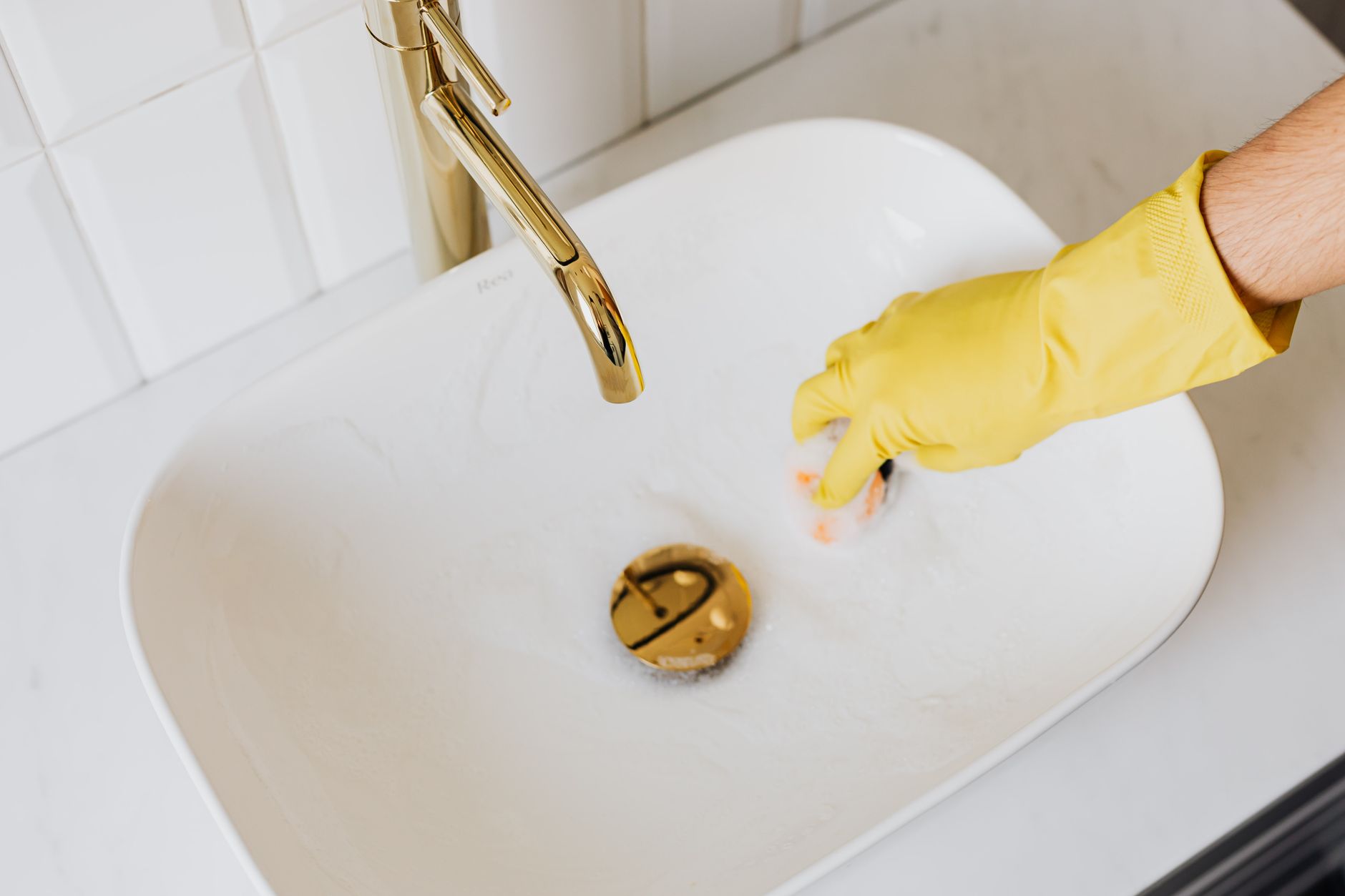
The 2026 cleaning industry has officially shifted from “hustle harder” to “work smarter.” After years of TikTok influencers pushing aggressive scrubbing routines and abrasive paste hacks, the market has swung hard toward no-scrub solutions—with sales of enzymatic and self-acting cleaners up 34% year-over-year according to recent home care industry reports. Consumers are done with wrecking their shoulders for shiny grout. If you’re wondering how to clean bathroom grout without scrubbing, you’re riding the exact wave that’s reshaping how we maintain our homes.
The truth? Grout is porous, cement-based, and essentially a magnet for mold, soap scum, and hard water minerals. Traditional scrubbing often damages grout over time, loosening it and creating more places for grime to hide. The methods below leverage chemistry, physics, and a bit of patience to do the heavy lifting—no elbow grease required.
Why Scrubbing Grout Is Actually Making Things Worse
Before diving into solutions, let’s dismantle the scrubbing myth. Aggressive brushing with stiff tools wears down grout’s protective surface, increasing porosity. A 2024 study by the Tile Council of North America found that heavily scrubbed grout absorbed 23% more moisture over five years compared to gently maintained grout. More moisture equals more mold, more staining, and eventually—regrouting costs that hit $8-25 per square foot.
The real culprit behind dirty grout isn’t laziness; it’s chemistry. Soap scum combines with calcium and magnesium in hard water to form insoluble deposits. Mold feeds on organic residue trapped in grout pores. You can’t brute-force your way through molecular bonds. You need targeted reactions that break them down.
Method 1: Enzyme Cleaners and the 24-Hour Soak
Enzyme-based cleaners have exploded in 2026, with brands like Biokleen and RMR-86 reformulating for bathroom-specific applications. These products contain live bacteria that literally digest organic matter—mold, mildew, soap residue—over 12-24 hours.
Here’s the no-scrub protocol:
- Apply undiluted enzyme cleaner directly to grout lines
- Mist lightly with water to activate (check product instructions; some come pre-activated)
- Cover with plastic wrap to prevent evaporation
- Leave for 12-24 hours—the longer, the deeper the clean
- Rinse with warm water; grime lifts away
For heavily stained areas, repeat twice with 48 hours between applications. The enzymes continue working for days after rinsing, providing residual protection. Cost: roughly $0.15-0.30 per square foot of grout.
Method 2: Steam Cleaning at 240°F+
Professional-grade steam cleaners have become surprisingly affordable in 2026, with consumer models like the Dupray Neat and McCulloch MC1385 dropping below $200. Steam works through thermal shock—superheated water vapor penetrates grout pores, expanding and dislodging debris while killing 99.9% of bacteria and mold at 240°F or higher.
The technique matters:
- Hold the nozzle 2-3 inches from grout lines
- Move slowly, about 1 inch per 3 seconds
- Work in 2x2 foot sections to maintain heat concentration
- Immediately wipe lifted debris with a microfiber cloth
No chemicals, no residue, and you’re sanitizing simultaneously. For whole-bathroom sessions, budget 20-30 minutes of active steam time. The investment pays for itself after avoiding 3-4 professional cleanings.
Method 3: Oxygen Bleach (Sodium Percarbonate) Paste
Oxygen bleach is not chlorine bleach—it’s a powder that releases hydrogen peroxide when mixed with water. It’s color-safe, fume-free, and breaks down into oxygen and soda ash. The 2026 formulation improvements from brands like OxiClean and Stain Solver include surfactants that enhance penetration.
Mix 1 cup powder to 1 quart warm water until fully dissolved. Apply with a squeeze bottle or turkey baster directly into grout lines. The key: keep it wet. Oxygen bleach stops working when it dries. Cover with damp towels or plastic, and re-mist every 30-60 minutes for 2-6 hours. The oxygen ions lift stains to the surface where they wipe away effortlessly.
Critical distinction: This works on organic stains (mold, mildew, food). For mineral deposits from hard water, you’ll need method 4.
Method 4: Acidic Cleaners for Hard Water Stains
Calcium and magnesium deposits require pH disruption. In 2026, gel-based acidic cleaners have replaced runny sprays that damage fixtures. Look for products containing sulfamic acid or gluconic acid—less aggressive than hydrochloric acid but effective on mineral scale.
Safety protocol:
- Ventilate the bathroom for 30 minutes before and during application
- Wear nitrile gloves and eye protection
- Apply gel with a brush only to spread—no scrubbing action needed
- Let dwell for 15-30 minutes (check manufacturer maximum)
- Neutralize with baking soda solution, then rinse thoroughly
Never mix with bleach or alkaline cleaners. The chemical reaction produces toxic chlorine gas. For routine maintenance in hard water areas, apply monthly to prevent buildup rather than fighting established deposits.
Method 5: The Set-It-and-Forget-It Shower Spray Systems
The newest 2026 innovation is automated shower spray systems like Scrubbing Bubbles Automatic Shower Cleaner (redesigned) and niche entrants like CleanShower Pro. These mount in your shower and dispense daily doses of surfactant-based cleaner after each use.
Installation takes 10 minutes. The daily micro-dose prevents soap scum and mineral accumulation from bonding to grout in the first place. Over 30-60 days, existing light staining gradually releases without intervention.
Limitations: These won’t reverse heavy, years-old staining. They’re maintenance tools, not restoration solutions. Budget $8-15 monthly for refill cartridges.
How to Clean Bathroom Grout Without Scrubbing: Building Your Personal System
The smartest approach combines restoration with prevention. Here’s a practical framework:
| Situation | Primary Method | Maintenance |
|---|---|---|
| Heavy mold/mildew | 24-hour enzyme soak | Weekly steam touch-ups |
| Hard water scale | Acidic gel treatment | Daily shower spray system |
| General dinginess | Oxygen bleach session | Monthly enzyme refresh |
| Ongoing prevention | — | Automated spray + quarterly steam |
Track your results. Photograph grout monthly under consistent lighting. The 2026 cleaning trend isn’t about perfection—it’s about sustainable systems that protect your body, your budget, and your grout’s longevity.
Conclusion
Learning how to clean bathroom grout without scrubbing isn’t about cutting corners; it’s about applying the right science to the right problem. The 2026 shift toward enzymatic, steam, and automated solutions reflects something bigger: we’re finally valuing efficiency over effort theater. Your bathroom grout can stay genuinely clean without the joint damage, the wasted hours, or the inevitable regrouting bill. Pick one restoration method from this guide, pair it with a maintenance system, and let chemistry do what your shoulder was never meant to.