
How to Clean Blinds Without Taking Them Down: The 2026 Low-Effort Method
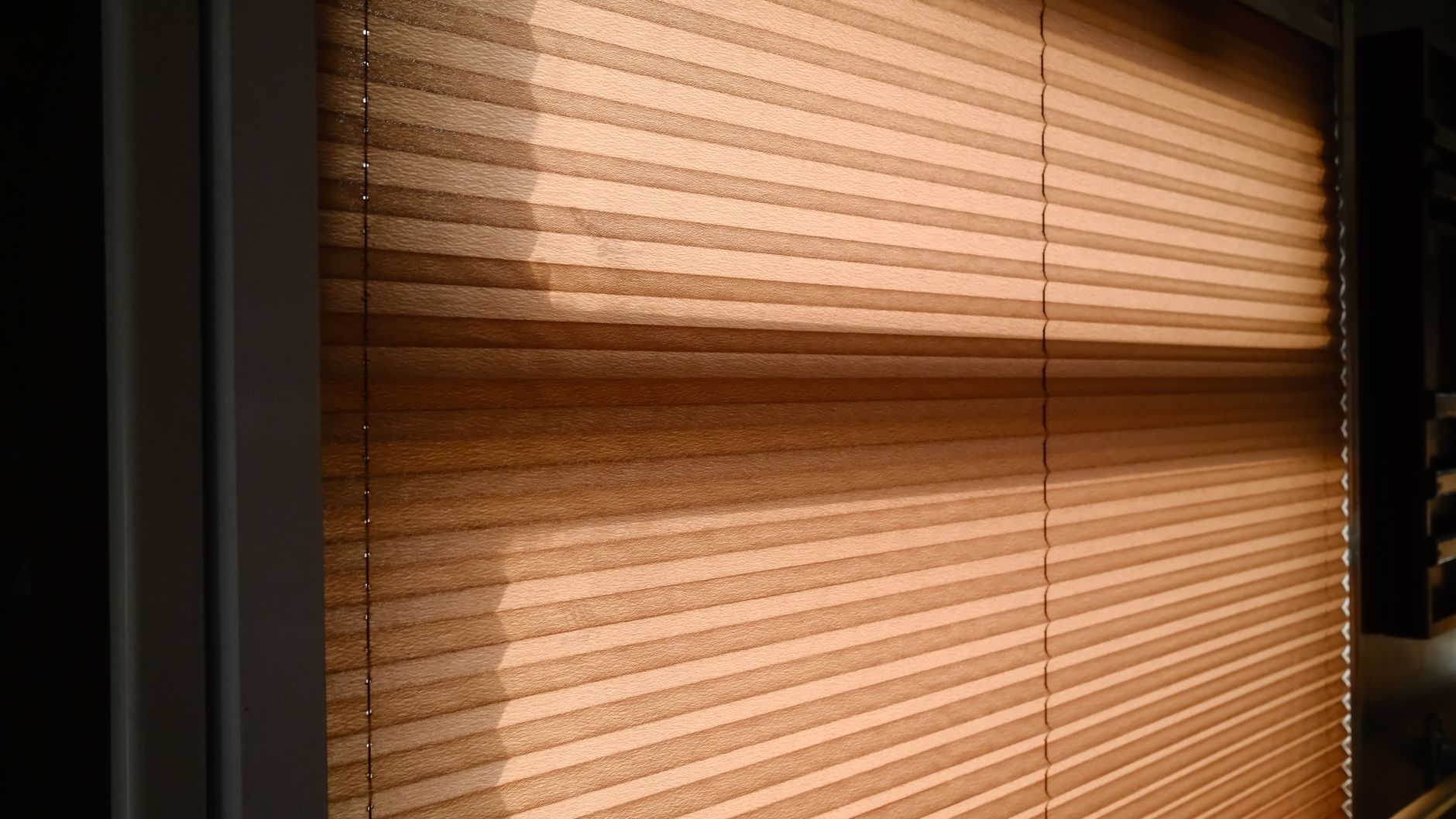
Blinds are the forgotten workhorses of every window—and right now, they’re collecting more than their fair share of dust. With the 2026 “indoor air quality” movement gaining serious momentum (the EPA just updated its guidelines linking household dust to allergen exposure), homeowners are finally looking up at their slats with fresh urgency. The problem? Most people still assume blind cleaning means hauling them to the bathtub, soaking, scrubbing, and rehanging. It doesn’t.
Here’s the reality: you can learn how to clean blinds without taking them down and get better results in half the time. Whether you’ve got faux wood in the kitchen, aluminum in the rental, or fabric cellular shades in the bedroom, this guide breaks down the exact tools, angles, and sequences that professional cleaners use while the blinds stay exactly where they are.
Why Blind Cleaning Matters More in 2026
Dust composition has shifted. Today’s household dust contains more microfibers from synthetic textiles, higher pollen counts due to extended growing seasons, and finer particulate matter from urban air. Blinds act as air filters that nobody changes—trapping particles, then redistributing them every time you adjust the slats or open a window.
The health angle is real, but so is the aesthetic one. Clean blinds instantly brighten a room. Light reflects properly through windows. Colors look true instead of filtered through gray film. And when you’re showing a home, staging a rental, or just trying to make Monday feel less Monday-ish, that visual clarity matters.
Most importantly, keeping up with regular maintenance prevents the deep-clean panic that leads people to remove blinds in the first place. A five-minute weekly routine beats a three-hour annual ordeal every time.
The Tool Kit: What Actually Works in 2026
Forget the old sock-over-the-hand trick. The cleaning market has evolved, and several purpose-built tools now make blind cleaning genuinely fast.
The blind duster with microfiber fingers. These tools (typically $8–$15) slide between slats and grab dust on both sides simultaneously. The 2026 versions feature removable, machine-washable sleeves and flexible cores that bend to match slat curvature. Look for models with anti-static treatment—this prevents immediate dust resettlement.
A compact vacuum with brush attachment. Cordless stick vacuums with soft-bristle mini heads are ideal. The key is low suction with a brush: high suction can warp vinyl slats or tangle cords. Dyson’s 2026 Slim models and Shark’s WandVac lines both include blind-specific attachments now.
Compressed air in a can. Counterintuitive but effective for cellular and honeycomb shades where traditional tools can’t reach between layers. Use short bursts, work top to bottom, and follow with a microfiber wipe of the exterior.
Ultrasonic blind cleaners (for the serious). These portable devices emit high-frequency sound waves through water to dislodge grime without scrubbing. At $40–$60, they’re overkill for most homes, but invaluable for smokers, pet owners, or anyone with grease-coated kitchen blinds.
Skip: feather dusters (they flick dust airborne), wet sponges on real wood (warping risk), and anything abrasive on aluminum (scratching).
How to Clean Blinds Without Taking Them Down: Step-by-Step by Material
Different blinds demand different approaches. Here’s the room-by-room breakdown that keeps your hardware on the wall.
Faux Wood and Vinyl (Kitchens, Bathrooms, High-Humidity Rooms)
These are the most forgiving and the most likely to need grease cutting.
- Close slats fully downward. This exposes the maximum surface area of the top side.
- Vacuum with brush attachment, working left to right across each slat. Don’t rush—let the brush do the agitation.
- Flip slats upward (closed the opposite direction) and repeat.
- For greasy buildup: dampen a microfiber cloth with a 1:10 solution of dish soap to warm water. Wring nearly dry. Wipe each slat individually, immediately following with a dry cloth to prevent water spots.
- Clean the cords by running them through a dry microfiber loop—grime accumulates here and transfers to hands.
Time investment: 8–12 minutes per standard window.
Aluminum Blinds (Rentals, Offices, Budget Replacements)
Lightweight and prone to denting, aluminum requires gentler touch.
- Open slats to approximately 45 degrees. This angle lets you access both surfaces without full closure gaps.
- Use the microfiber finger duster, applying light pressure. Work from top to bottom so falling dust doesn’t resettle on cleaned areas.
- For stuck-on residue: a melamine sponge (damp, not wet) lifts marks without scratching. Test an inconspicuous corner first.
- Tilt mechanism cleaning: the gearbox at the headrail collects gunk that makes operation sticky. A cotton swab dipped in rubbing alcohol cleans and lubricates.
Time investment: 6–10 minutes per window.
Fabric Cellular and Honeycomb Shades (Bedrooms, Living Rooms)
These are the trickiest because you can’t wipe individual slats.
- Vacuum with upholstery attachment on lowest suction setting. Work in the direction of the pleats, never against them.
- For surface stains: spot-clean with upholstery shampoo applied to a cloth, never directly to fabric. Blot, don’t rub.
- Deep cleaning without removal: steam cleaners with fabric attachments can refresh cellular shades. Hold the nozzle 6–8 inches away, move continuously, and dry thoroughly with a fan afterward to prevent mildew in the honeycomb cells.
- Deodorizing: sprinkle baking soda lightly across the shade, wait 15 minutes, vacuum thoroughly. This absorbs odors from cooking, pets, and smoke that cling to fabric.
Time investment: 10–15 minutes for maintenance; add 30 minutes drying time for steam.
Real Wood Blinds (Investment Pieces, High-End Installs)
Water is the enemy. These require the driest approach of all.
- Dust closed slats with a lambswool duster or microfiber tool. The natural oils in lambswool pick up dust without scratching finish.
- For polish: use a wood-specific cleaner (Murphy’s Oil Soap, diluted heavily, or a commercial wood blind spray) applied to cloth first. Never spray directly—liquid can seep through cord holes and warp slats from behind.
- Condition annually: a thin application of lemon oil on a cloth, wiped across slats, prevents drying and cracking. Do this in low-humidity conditions so the oil absorbs rather than sits on the surface.
Time investment: 12–15 minutes per window; annual conditioning adds 20 minutes.
The Maintenance Rhythm: Preventing Future Buildup
The real secret to how to clean blinds without taking them down is never letting them get dirty enough to require removal.
Weekly: 90-second dust pass with your tool of choice during regular cleaning. Do this when you notice dust on nearby surfaces—blinds and baseboards accumulate on similar schedules.
Monthly: Visual inspection for spots, grease, or sticky operation. Address immediately; set stains require exponentially more effort.
Seasonally: Deep clean using the material-specific protocols above. Align this with your HVAC filter changes (another 2026 air-quality trend) for systematic home maintenance.
Annually: Inspect hardware. Worn tilt mechanisms, frayed cords, or bent slats compromise function and can make blinds harder to clean without removal.
Conclusion
You don’t need a free afternoon, a bathtub, or a ladder to maintain clean blinds. Learning how to clean blinds without taking them down is about matching the right tool to your specific blind material, working in the correct sequence, and building a rhythm that prevents overwhelming buildup.
The 2026 approach to home cleaning emphasizes consistency over intensity—small, scheduled actions that preserve your time and your home’s air quality. Your blinds, still hanging exactly where they belong, can look their best with just ten minutes of attention and the techniques above. Start with your dustiest window this week. Notice the difference in light, in air, in the subtle satisfaction of a detail finally handled.