
How to Clean Dishwasher with Baking Soda: The 2026 Deodorizing Method
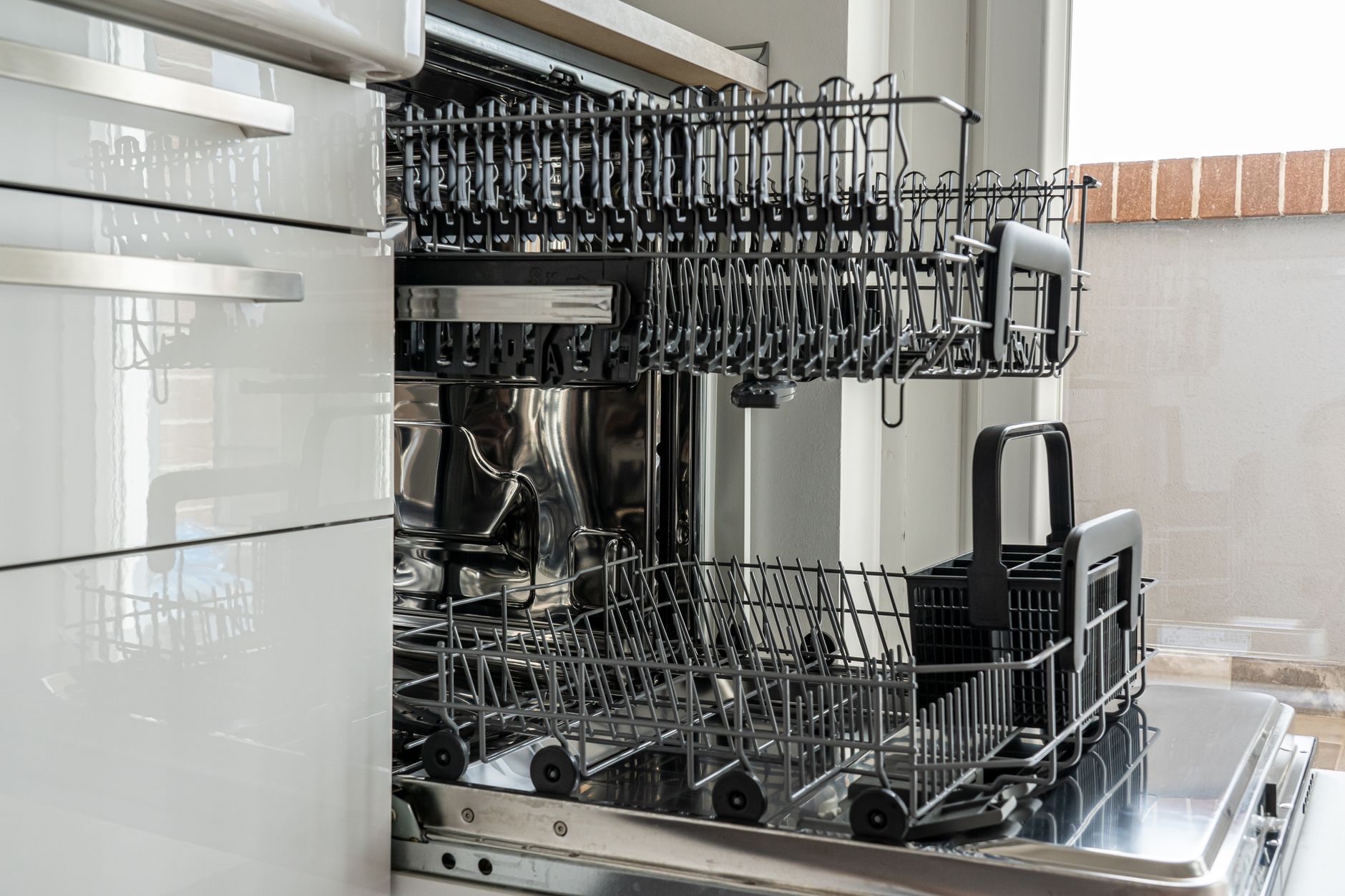
The “cleaning without chemicals” movement has exploded in 2026, with more households ditching harsh commercial cleaners for pantry staples. If you’re searching for how to clean dishwasher with baking soda, you’re joining millions of homeowners who’ve discovered this gentle abrasive tackles grease and odors without scratching stainless steel or leaving toxic residues. Unlike vinegar (which we’ve covered before), baking soda offers alkaline cleaning power that neutralizes acidic food residues and eliminates smells at the molecular level.
Why Baking Soda Works Where Vinegar Fails
While vinegar gets all the glory for descaling, baking soda excels at deodorizing and gentle scrubbing—two things vinegar can’t do effectively. Dishwashers develop funky smells from trapped food particles, grease buildup, and bacteria thriving in warm, moist environments. Baking soda (sodium bicarbonate) has a pH of 9, making it alkaline enough to break down fatty acids and neutralize odor-causing compounds.
The fine powder also acts as a mild abrasive. When you scrub with a baking soda paste, you’re physically lifting grime without scratching plastic interiors or stainless steel tubs. This makes it perfect for dishwashers with delicate components or homes with septic systems where harsh chemicals cause problems.
The Overnight Baking Soda Soak Method
This technique works best for moderate odor issues and light grease buildup. You’ll need:
- 1 cup baking soda
- 2 cups warm water
- Soft-bristled brush or old toothbrush
- Microfiber cloth
Step 1: Remove the bottom rack and locate the drain filter (check your manual—some twist out, others lift). Rinse it under hot water to remove loose debris.
Step 2: Mix the baking soda with warm water to create a thin paste. Spread this mixture across the dishwasher floor, focusing on corners where gunk accumulates. Don’t forget the door edges and gasket.
Step 3: Let it sit overnight (8-12 hours). The extended contact time allows the alkaline solution to penetrate dried-on food and break down odor molecules. This is the key difference from quick vinegar rinses.
Step 4: In the morning, scrub gently with your brush, paying attention to spray arm holes and the filter housing. Run a hot water cycle (empty) to rinse everything away.
Targeting Specific Problem Areas
Sometimes you need more than a general clean. Here’s how to handle specific issues:
For stubborn grease spots: Make a thick paste (3 parts baking soda to 1 part water) and apply directly to greasy areas. Let sit for 30 minutes, then scrub with a damp sponge. The grittiness lifts grease without damaging surfaces.
For the drain area: Pour ½ cup dry baking soda directly into the drain, followed by 1 cup hot water. Let fizz for 15 minutes—this reaction helps dislodge particles stuck in the drain trap. Run a short hot cycle afterward.
For stainless steel exteriors: Create a paste with baking soda and a few drops of dish soap. Rub in the direction of the grain with a soft cloth, then buff dry. This removes fingerprints and water spots without streaking.
Maintenance Schedule to Prevent Buildup
Cleaning your dishwasher with baking soda shouldn’t be a once-a-year emergency. Incorporate these habits:
- Weekly: Sprinkle 2 tablespoons of baking soda on the bottom of the dishwasher before running a cycle. This prevents odor buildup between deep cleans.
- Monthly: Do the overnight paste treatment described above, especially if you run the dishwasher daily or wash greasy pots and pans regularly.
- Every 3 months: Remove and soak the filter in a baking soda solution (¼ cup per gallon of warm water) for 2 hours to dissolve mineral deposits and grease.
Hard water households (looking at you, Midwest and Southwest) may need to increase frequency. If you notice white film on glasses, combine this baking soda method with a monthly vinegar rinse—just never mix them directly, as they neutralize each other.
When Baking Soda Isn’t Enough
Baking soda handles 80% of dishwasher cleaning needs, but some situations require stronger intervention:
- Black mold in the gasket: Requires hydrogen peroxide or a bleach solution (check manufacturer guidelines first)
- Heavy mineral scale: Needs citric acid or commercial descaler for severe buildup
- Mechanical issues: If dishes aren’t getting clean after thorough cleaning, you may have a faulty heating element or pump
If you’ve tried the baking soda method twice and odors persist, check the drain hose for kinks or clogs—sometimes the problem isn’t cleanliness but drainage.
Mastering how to clean dishwasher with baking soda gives you a non-toxic tool that protects your appliance’s lifespan while keeping your kitchen smelling fresh. The overnight soak method requires minimal effort—just mix, spread, and sleep—making it perfect for busy households. Start with the weekly maintenance sprinkle tonight, and schedule your first deep clean this weekend. Your dishes (and nose) will thank you.