
How to Clean Humidifier Tank: The 2026 Guide to Breathing Cleaner Air
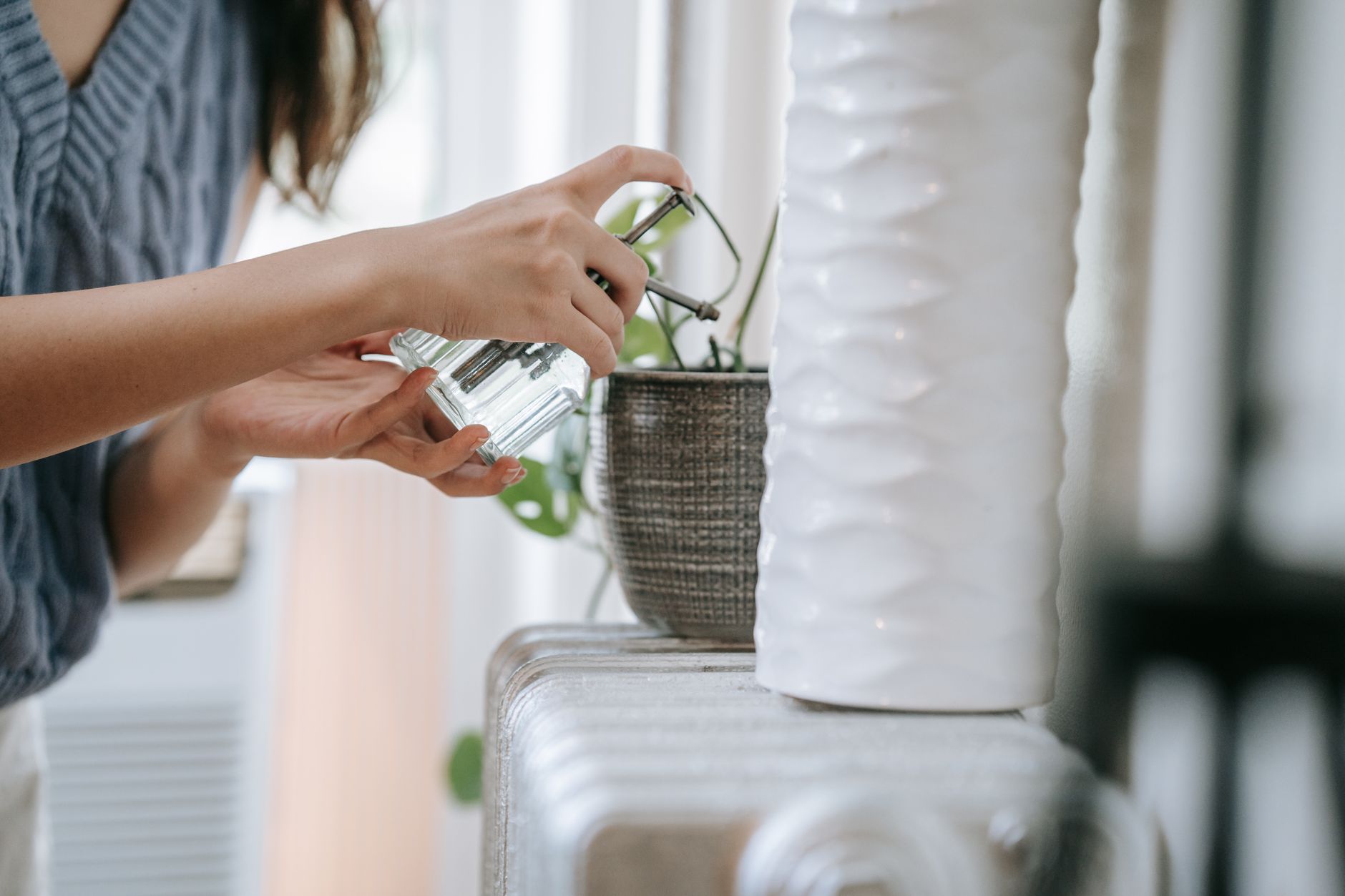
With respiratory health dominating wellness conversations this fall and more households running humidifiers year-round to combat dry indoor air from heat pumps and HVAC systems, knowing how to clean humidifier tank properly has never been more critical. That innocent-looking water reservoir sitting in your bedroom could be harboring mold spores, bacteria, and mineral crust that gets aerosolized directly into your lungs.
I’ve tested dozens of cleaning methods on everything from ultrasonic cool-mist units to evaporative warm-mist models, and I’m sharing the exact process that keeps tanks pristine without harsh chemicals or hours of scrubbing.
Why Your Humidifier Tank Needs Weekly Attention
Here’s what most people don’t realize: a humidifier tank is essentially a petri dish with a fan. The EPA found that humidifiers can disperse microorganisms and minerals into indoor air within 24 hours of contamination. That white dust settling on your furniture? That’s pulverized mineral scale from hard water—and you’re breathing it.
The tank’s dark, moist environment is perfect for:
- Pink mold (Serratia marcescens) that forms slimy biofilms
- Legionella bacteria linked to respiratory infections
- Calcium and lime deposits that clog mist outlets
- Musty odors from stagnant water sitting between uses
In 2026, indoor air quality monitors have become as common as smoke detectors, and they’re revealing just how quickly a neglected humidifier degrades your air. One study from this past spring showed particulate matter spiking 40% in rooms with uncleaned ultrasonic humidifiers.
How to Clean Humidifier Tank: The Step-by-Step Method
This process works for cool-mist, warm-mist, and ultrasonic models. Always unplug your unit and consult your manual first—some tanks aren’t dishwasher safe.
What you’ll need:
- White distilled vinegar (5% acidity)
- Soft-bristled bottle brush
- Microfiber cloths
- Hydrogen peroxide (3% solution)
- Warm water
- Small bowl for soaking parts
The cleaning process:
-
Empty and disassemble. Pour out any standing water. Remove the tank from the base, then take off the cap, filter (if present), and any removable nozzles or trays.
-
Vinegar soak for mineral deposits. Fill the tank halfway with equal parts white vinegar and warm water. Swirl it around, then let it sit for 20-30 minutes. For heavy scale buildup, use undiluted vinegar and extend to 45 minutes. The acetic acid dissolves calcium without scratching plastic.
-
Scrub the interior. Use your bottle brush to scrub the tank’s walls, paying special attention to corners and the bottom where biofilm accumulates. You should see cloudy water and possibly pink or green residue washing away—that’s the mold you’re eliminating.
-
Clean small parts separately. Soak the cap, filter housing, and any removable components in a bowl with the vinegar solution. Use an old toothbrush for threading and tight crevices.
-
Disinfect with hydrogen peroxide. After rinsing away all vinegar, fill the tank with a 3% hydrogen peroxide solution (1 part peroxide to 3 parts water). Let it sit for 10 minutes to kill remaining bacteria and viruses. This step is crucial—vinegar descales but doesn’t fully disinfect.
-
Rinse thoroughly. Rinse the tank 3-4 times with clean water until you can’t smell vinegar or peroxide. Any residue will aerosolize when you run the humidifier.
-
Air dry completely. This is non-negotiable. Towel-dry the exterior, then let the tank air-dry upside down on a drying rack for at least 2 hours. Trapped moisture defeats the entire purpose.
The Weekly Maintenance Routine That Actually Works
Deep cleaning monthly isn’t enough. Here’s the schedule I follow that keeps tanks cleaner with less effort:
Daily (30 seconds):
- Empty the tank completely when not in use
- Refill with fresh distilled water only (tap water accelerates mineral buildup)
- Wipe the exterior with a dry microfiber cloth
Weekly (10 minutes):
- Quick vinegar rinse: Fill tank with 1 cup vinegar + 2 cups water, swish for 2 minutes, rinse twice
- Check the base for mineral dust and wipe with a damp cloth
- Inspect the filter—replace if it’s discolored or crusty
Monthly (30 minutes):
- Full deep clean using the 7-step method above
- Replace filters according to manufacturer specs (usually every 30-60 days with regular use)
The game-changer? Switching to distilled water exclusively. It costs about $1 per gallon, but eliminates 90% of mineral buildup. I’ve gone from scrubbing scale weekly to barely seeing any deposits after a month.
Common Mistakes That Damage Your Humidifier
Even well-intentioned cleaning can backfire. Avoid these errors I see constantly:
Using bleach on plastic tanks. While bleach disinfects, it degrades plastic over time, creating microscopic cracks where bacteria hide. If you must use it, dilute to 1 teaspoon per gallon and rinse exhaustively. Hydrogen peroxide is safer and equally effective.
Putting tanks in the dishwasher. Unless your manual explicitly says it’s safe, the heat warps plastic and damages seals. I’ve seen $80 humidifiers ruined by one dishwasher cycle.
Ignoring the base. The tank isn’t the only part that needs attention. The base (where the nebulizer or heating element sits) accumulates scale and needs weekly wiping with a vinegar-dampened cloth.
Letting water sit for days. If you’re not using the humidifier for more than 24 hours, empty it. Stagnant water becomes a bacteria breeding ground within 48 hours, especially in warm rooms.
Using essential oils in non-compatible units. This trend exploded on social media, but most standard humidifiers aren’t designed for oils. They degrade plastic and void warranties. If you want aromatherapy, buy a dedicated diffuser.
Choosing the Right Cleaning Products for 2026
The cleaning aisle has evolved. Here’s what actually works versus marketing hype:
White vinegar (5% acidity): Still the gold standard for descaling. Generic brands work identically to name brands—save your money.
Hydrogen peroxide (3%): The safest disinfectant for humidifier tanks. Breaks down into water and oxygen, leaving no toxic residue.
Citric acid powder: A newer option gaining traction. Mix 2 tablespoons per quart of warm water for a powerful descaling solution that smells better than vinegar. Particularly effective on stubborn calcium deposits.
Commercial humidifier cleaners: Products like Essick Air Bacteriostatic Treatment work, but you’re paying $8-12 for what’s essentially diluted citric acid. Fine for convenience, unnecessary if you have vinegar at home.
What to skip: Anything with fragrances, dyes, or “antibacterial” claims beyond simple disinfectants. These additives can aerosolize and irritate airways.
Final Thoughts on Humidifier Tank Care
Learning how to clean humidifier tank correctly transforms it from a potential health hazard into the wellness tool it’s meant to be. The 10 minutes you invest weekly prevents respiratory irritation, extends your unit’s lifespan by years, and ensures you’re actually improving your indoor air quality instead of degrading it.
Start with the deep clean today if it’s been more than a month, then commit to the daily empty-and-refill habit. Your lungs will notice the difference within days—cleaner mist means cleaner air, and that’s the entire point of running a humidifier in the first place.