
How to Clean Microwave Without Vinegar: 5 Steam Methods That Actually Work
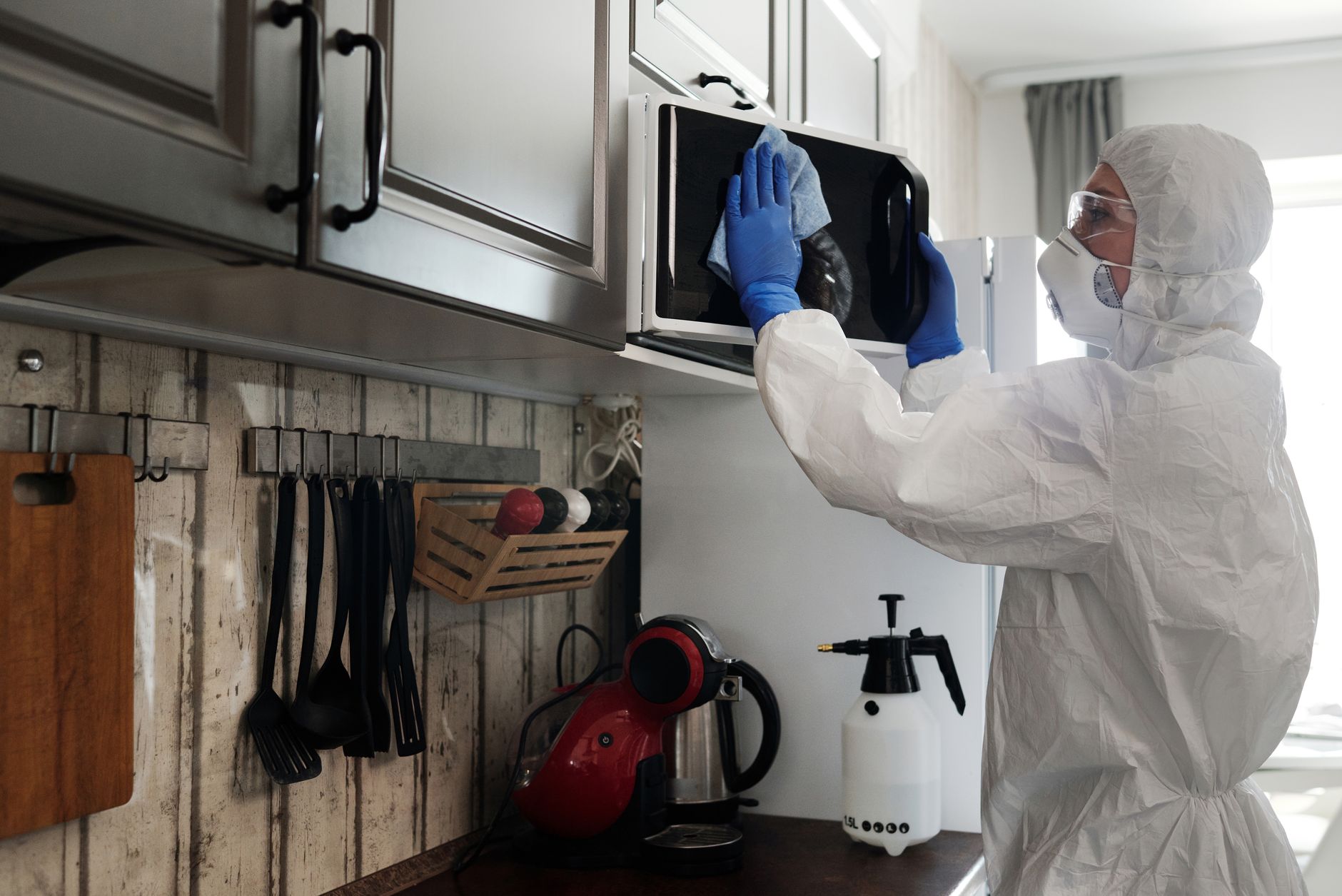
You know that moment when you open your microwave and a fossilized splatter of last Tuesday’s pasta sauce stares back at you? If you’ve been scrolling through cleaning TikTok lately, you’ve probably noticed that steam cleaning is having a major moment in 2026—but not everyone wants their kitchen smelling like a pickle jar. Learning how to clean microwave without vinegar has become a top search for home cooks who want the same sparkling results without the sharp, acidic fumes that linger for hours.
Whether you’re out of vinegar, sensitive to the smell, or just prefer a fresher scent, you don’t need harsh chemicals to tackle baked-on grime. Below are five proven methods that use simple pantry staples to steam, lift, and wipe away even the most stubborn microwave messes.
Why Skip the Vinegar? (And What Works Instead)
Vinegar is a cleaning powerhouse, but it’s not the only acid in town. Many people avoid it because the smell can trigger headaches, or they simply dislike how it interacts with certain plastic interiors over time. The good news? Steam is the real MVP here—it softens dried food particles so they wipe away with minimal scrubbing.
The key is creating enough moisture inside the microwave to loosen debris without damaging the appliance’s interior coating. These alternatives work just as well while leaving behind scents you actually want in your kitchen.
The Lemon Steam Method (Fresh Scent Bonus)
This is the gold standard for vinegar-free microwave cleaning, and it’s probably already sitting in your fruit bowl.
What you need:
- 1 lemon (or 2 tablespoons bottled lemon juice)
- 1 cup water
- Microwave-safe bowl
The process:
- Slice the lemon in half and squeeze the juice into the bowl, then drop the halves in too.
- Add the water and place the bowl in the microwave.
- Heat on high for 3 minutes—the liquid should boil and create steam.
- Let it sit for 5 minutes without opening the door. This is crucial; the trapped steam does the heavy lifting.
- Carefully remove the bowl (it’ll be hot) and wipe down the interior with a microfiber cloth.
The citric acid cuts through grease while the steam softens splatters. Plus, your kitchen smells like a citrus grove instead of a salad dressing factory.
Baking Soda Paste for Stubborn Stains
When steam alone isn’t enough—think exploded tomato sauce that’s been there since last month—baking soda provides gentle abrasion without scratching.
Mix your paste:
- 2 tablespoons baking soda
- 1 tablespoon water
- Optional: 1 drop dish soap for extra grease-cutting
Apply the paste directly to stained areas and let it sit for 5 minutes. The alkaline nature of baking soda breaks down acidic food residues. Wipe clean with a damp sponge, then follow with a dry cloth to prevent streaks.
Pro tip: For really tough spots, dip your damp sponge in dry baking soda and use it as a mild scrubber. It won’t damage the microwave’s interior like abrasive pads might.
The Dish Soap Steam Bath
If you have a microwave-safe bowl and basic dish soap, you have everything needed for a deep clean. This method creates a soapy steam that clings to walls and ceiling.
Fill a bowl with 1 cup warm water and add 1 tablespoon liquid dish soap (the kind you use for hand-washing dishes). Microwave on high for 2 minutes, then let it sit for another 3 minutes with the door closed.
The surfactants in the soap reduce the surface tension of the water, allowing the steam to penetrate grease more effectively than plain water. Wipe down with a paper towel or cloth, then rinse with a clean damp sponge to remove any soap residue.
Wet Paper Towel Technique (The Lazy Genius Method)
Sometimes you need a quick fix between deep cleans. This 2026 TikTok favorite requires zero prep and works surprisingly well for fresh splatters.
Soak 3-4 paper towels in water, wring them out so they’re damp but not dripping, and lay them flat on the microwave turntable. Run the microwave on high for 2 minutes. The towels create a steam chamber that loosens fresh food particles.
Use the hot towels themselves to wipe down the interior—they’re already warm and moist, making them perfect for grabbing loosened debris. This method works best for maintenance cleaning rather than heavy-duty restoration.
Vanilla Extract for Odor Removal
Cleaning the grime is only half the battle; sometimes you need to eliminate lingering odors from burnt popcorn or reheated fish.
Place 2 teaspoons vanilla extract in a small microwave-safe bowl with ½ cup water. Heat for 1 minute, then let it sit with the door closed for 10 minutes. The vanillin compounds neutralize odor molecules rather than just masking them.
For a seasonal twist, add a cinnamon stick or a few drops of almond extract to the water. This is particularly useful during the holiday season when you’re reheating aromatic dishes back-to-back.
Maintenance Tips to Keep It Clean Longer
Now that your microwave is spotless, keep it that way with these 2026-approved habits:
- Cover everything: Use a microwave-safe lid or paper towel to prevent splatters before they happen.
- The 10-second wipe: After each use, quickly wipe the interior with a damp cloth while it’s still warm—takes 10 seconds, prevents 90% of buildup.
- Weekly steam: Do a quick lemon steam every Sunday evening to reset for the week ahead.
- Check the turntable: Remove and wash the glass plate weekly in warm soapy water; food traps underneath it create odors.
Conclusion
Mastering how to clean microwave without vinegar opens up a world of fresh-scented, effective cleaning options that don’t require a trip to the store. Whether you choose the lemon steam for its degreasing power, the baking soda paste for scrubbing stubborn spots, or the quick paper towel method for daily maintenance, the secret lies in letting heat and moisture do the work for you.
Pick the method that matches your mess level and scent preference, set a timer, and let physics handle the elbow grease. Your microwave—and your nose—will thank you. Ready to tackle the rest of the kitchen? Start with that microwave tonight; it takes less time than reheating last night’s leftovers.