
How to Clean Oven Glass Door: The 2026 Guide to a Streak-Free Shine
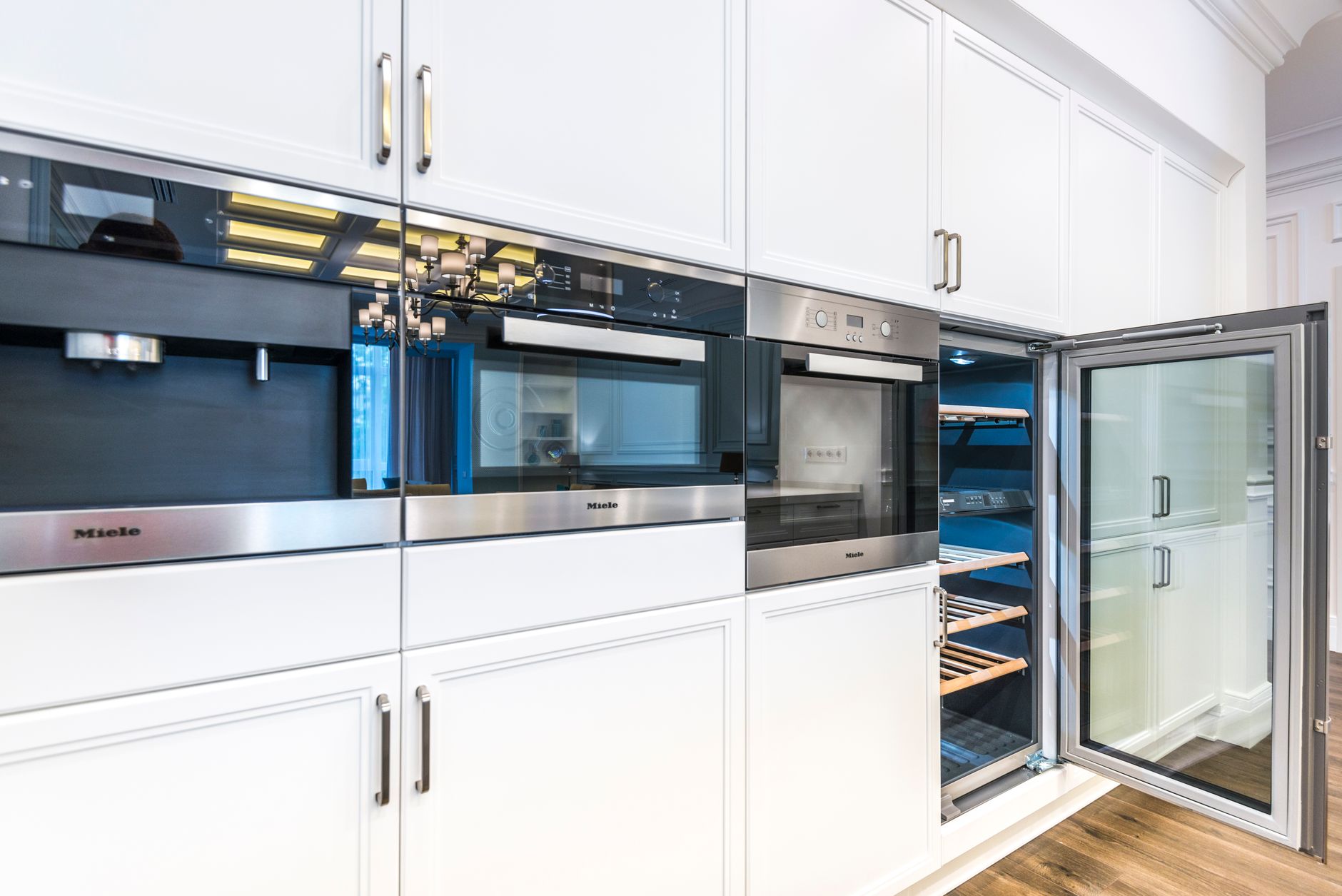
You know that moment when you’re checking on your sourdough through the oven window and realize you can’t actually see anything through the haze of splattered grease? You’re not alone. With holiday baking season ramping up and the 2026 trend toward open-concept kitchens putting appliances on full display, learning how to clean oven glass door panels has become essential for maintaining both function and aesthetics.
That cloudy film isn’t just ugly—it’s a layer of carbonized grease that can actually affect your oven’s efficiency and, in extreme cases, become a fire hazard. The good news? You don’t need harsh chemicals or a professional service call to restore that factory-fresh transparency.
Why Oven Glass Gets So Grimy (And Why It Matters Now)
Modern ovens are designed with tighter seals and better insulation than models from even five years ago, which means grease particles circulate more intensely before settling. When you roast vegetables at 425°F or broil salmon, microscopic oil droplets vaporize, then condense on the cooler glass surface. Over time, this creates that stubborn brown film that seems impossible to remove.
The stakes are higher in 2026. With energy costs still fluctuating, a dirty oven door forces you to open the oven repeatedly to check food, releasing up to 50°F of heat each time and extending cooking times by 15-20%. Plus, that baked-on grime can eventually etch into the glass, creating permanent cloudiness.
The Baking Soda Paste Method (Your First Line of Defense)
This is the gold standard for how to clean oven glass door surfaces without scratching or toxic fumes. It works because baking soda (sodium bicarbonate) is mildly abrasive and alkaline, breaking down acidic grease bonds.
What you’ll need:
- ½ cup baking soda
- 3 tablespoons water (adjust for spreadable consistency)
- Dish soap (Dawn Platinum works best for cutting grease)
- Microfiber cloths (not paper towels—they scratch)
- Plastic scraper or old credit card
The process:
- Cool completely. Never clean a warm oven door—thermal shock can crack the glass.
- Mix the paste until it resembles thick frosting. Spread it generously over the glass, avoiding the gasket (that rubber seal around the edge).
- Wait 20-30 minutes. For severe buildup, leave it overnight. The paste will turn brown as it absorbs grease.
- Scrape gently with your plastic tool, using short strokes at a 45-degree angle.
- Wipe clean with a damp microfiber cloth, then buff dry to prevent streaks.
Pro tip: Add a teaspoon of dish soap to the paste for extra degreasing power. The surfactants help lift oil without scratching the tempered glass.
Tackling the Nightmare: Cleaning Between Oven Glass Panels
If you see streaks or drips inside the door that won’t wipe away, you’ve got condensation between the double or triple-pane glass. This happens when the door’s vent slots allow moisture and grease to migrate inward—a common issue in 2024-2026 models with enhanced insulation.
The wire hanger hack:
- Remove the oven door (consult your manual—usually involves unlocking hinges at a 45-degree angle).
- Lay it flat on a towel.
- Straighten a wire coat hanger, wrap the end in a microfiber cloth secured with a rubber band.
- Insert through the vent slots at the top or bottom of the door.
- Spray the cloth with a 50/50 vinegar-water solution and swab the interior glass.
- For tight spots, use a yardstick with a cloth taped to the end.
Warning: Some manufacturers void warranties if you disassemble the door beyond removing it. Check your manual first. If you see moisture between panes on a new oven, contact the manufacturer—this indicates a seal failure covered under warranty.
The Ammonia Alternative (For Heavy-Duty Situations)
When baking soda isn’t enough—think years of neglected buildup—ammonia cuts through carbonized grease faster than any natural cleaner. However, with 2026’s increased focus on indoor air quality, use this method sparingly and with ventilation.
The overnight bag method:
- Place ½ cup ammonia in a shallow glass bowl
- Set it inside the cold oven on the middle rack
- Close the door and let fumes work overnight (8-12 hours)
- Remove the bowl (don’t dump it down the sink—save for laundry pre-treatment)
- Wipe the glass with hot, soapy water
The fumes soften the grease so it wipes away without scrubbing. Never mix ammonia with bleach or vinegar—this creates toxic chloramine gas.
Prevention: Keeping Your Oven Glass Cleaner Longer
Once you’ve restored clarity, maintain it with these habits:
The 2026 “Clean As You Cook” approach:
- Use a splatter guard when roasting meats. Silicone mats (like the new silicone mesh screens trending this year) allow heat circulation while blocking 90% of grease.
- Wipe weekly with a vinegar-water spray (1:1 ratio) while the oven is still slightly warm—not hot. This prevents polymerization, where grease bonds permanently to glass.
- Check your gasket. If the rubber seal is cracked or brittle, grease migrates behind the glass faster. Replacement gaskets cost $15-30 and take 10 minutes to install.
- Run the self-clean cycle sparingly. While convenient, high-heat cleaning (900°F+) can actually bake grease onto the glass permanently and stresses the door’s tempered panels. Manual cleaning is gentler and more effective for the glass specifically.
The 30-second maintenance habit: Keep a spray bottle of water mixed with a drop of dish soap near your oven. After the oven cools but is still warm, mist the glass and wipe with a microfiber cloth. This prevents the “baked-on” stage entirely.
Conclusion
Mastering how to clean oven glass door surfaces transforms your cooking experience—literally letting you see your food clearly again. Whether you choose the gentle baking soda paste for regular maintenance or tackle the interior panels with the wire hanger method, the key is consistency. Don’t wait until you can’t see your holiday cookies browning; a quick monthly wipe-down prevents the need for heavy-duty interventions.
With energy efficiency top of mind and kitchens serving as the home’s visual centerpiece in 2026, that crystal-clear oven glass isn’t just about cleanliness—it’s about maintaining your appliance’s performance and your kitchen’s aesthetic. Pick your method, set aside 30 minutes this weekend, and enjoy the satisfaction of watching your next roast through spotless glass.