
How to Clean Shower Glass Hard Water Stains: The 2026 Mineral-Buildup Rescue Guide
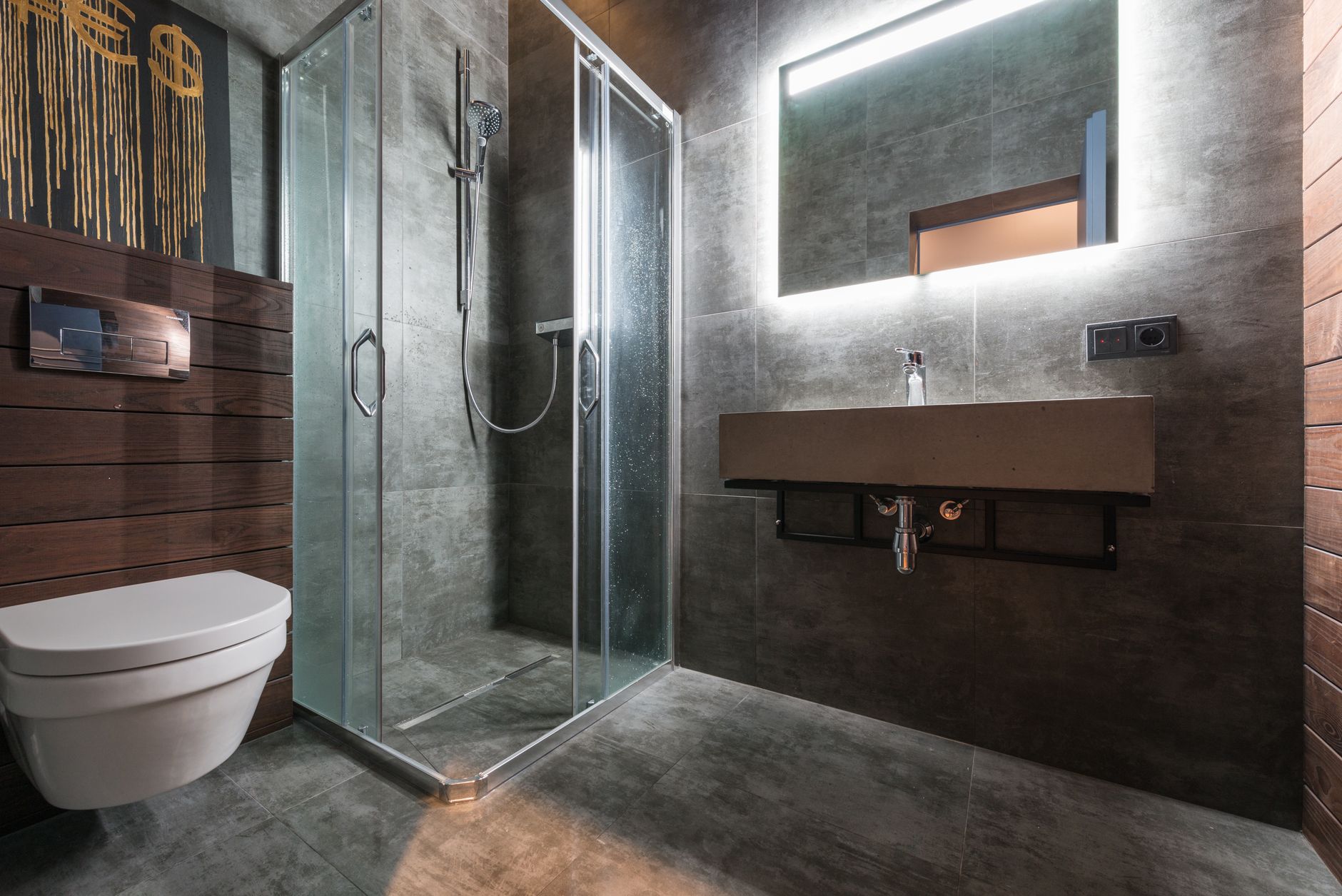
That cloudy, white film creeping across your shower door isn’t just unsightly—it’s become the bathroom’s most stubborn 2026 trend. With mineral-heavy water supplies expanding across drought-prone regions and homeowners cutting back on professional cleaning services to stretch budgets, learning how to clean shower glass hard water stains has shifted from occasional chore to essential household skill. The good news? You don’t need industrial chemicals or hours of elbow grease to restore crystal-clear glass. This guide delivers the specific, tested methods that actually dissolve calcium and magnesium deposits without etching your surfaces.
Why Your Shower Glass Looks Permanently Fogged (The Science Simplified)
Hard water stains aren’t “dirt” in the traditional sense. They’re mineral deposits—primarily calcium carbonate and magnesium—that bond to glass through repeated evaporation cycles. Each hot shower leaves behind microscopic water droplets; as they dry, the minerals crystallize and adhere. Over weeks, these layers build into that chalky, white haze that resists standard glass cleaners.
The 2026 water hardness maps from the U.S. Geological Survey show approximately 85% of American homes deal with some level of hard water, with the Southwest and Great Plains experiencing severe levels above 250 parts per million. Higher temperatures and lower rainfall in these regions are concentrating mineral content, making shower glass hard water stains more aggressive than ever.
Glass composition matters too. Modern low-iron shower doors (popular for their clarity) are actually slightly more porous than older glass, providing more anchor points for mineral bonding. Understanding this explains why your grandmother’s Windex routine fails—and why targeted chemistry wins.
The Acid-Base Method: Your First-Line Attack
The most effective way to clean shower glass hard water stains leverages simple pH chemistry. Mineral deposits are alkaline; acids dissolve them. But not all acids perform equally on glass.
White distilled vinegar (5% acetic acid) remains the 2026 budget champion. Here’s the optimized technique:
- Heat 1 cup vinegar in the microwave for 90 seconds (warm acid penetrates faster)
- Pour into a spray bottle and saturate the glass thoroughly
- Press dry paper towels flat against the surface—this prevents immediate dripping and extends contact time
- Wait 15 minutes, not the commonly suggested 5
- Scrub with a non-scratch nylon pad in overlapping circular motions
- Rinse with cold water and squeegee immediately
For moderate buildup (stains visible but glass texture still smooth), this single treatment removes approximately 80-90% of deposits. Stubborn areas get a second round with a vinegar paste: 2 parts vinegar, 1 part baking soda, applied with a microfiber cloth for gentle abrasion.
Pro tip from 2026’s cleaning communities: Add 10 drops of dish soap to your heated vinegar. The surfactant breaks water tension, allowing acid to spread evenly across vertical glass instead of beading and running.
When Vinegar Isn’t Enough: The Citric Acid Upgrade
Severe hard water stains—those that feel rough to the touch and have turned slightly brown or orange from iron content—need stronger chemistry. Citric acid powder, increasingly available in 2026’s bulk refill sections, provides the next tier.
Mix 1/4 cup citric acid with 2 cups hot water until fully dissolved. This creates approximately 10% citric acid solution, significantly more aggressive than vinegar’s 5% acetic acid. Application protocol:
- Spray or sponge onto dry glass (water dilutes effectiveness)
- Cover with plastic wrap to prevent evaporation during 30-minute dwell time
- Scrub with a melamine sponge (Magic Eraser style, but buy generic—same material, lower cost)
- Rinse thoroughly and inspect
The citric acid approach particularly excels in areas with iron-rich hard water, common in Florida, Michigan, and Pacific Northwest well systems. That rusty tinge vinegar barely touches? Citric acid chelates iron ions, lifting both color and texture.
Safety note: Citric acid can irritate skin with prolonged contact. Wear dish gloves, and never mix with bleach or other cleaners containing sodium hypochlorite.
The 2026 Product Landscape: What Actually Works
This year’s independent testing from consumer labs and the r/CleaningTips community (now 4.2 million members) has clarified which commercial products deliver on shower glass hard water stain promises versus marketing fluff.
Worth your money:
- Bio-Clean Hard Water Stain Remover: Contains mild abrasive minerals suspended in oxalic acid gel. The paste consistency clings to vertical surfaces for extended contact. $12-15 for 20oz, typically 3-4 full shower treatments.
- Bring It On Cleaner: Peroxide-based with oxygen bleach, effective for combined soap scum and mineral buildup. Less acidic odor than vinegar, appealing for enclosed bathrooms.
- Lime-A-Way Turbo Power: Hydrochloric acid-based, the nuclear option for etched-in stains. Use sparingly, with gloves and ventilation, and never on natural stone surrounds.
Skip these:
- Standard glass cleaners with ammonia (Windex, etc.)—they evaporate too fast, add streaks, and don’t touch mineral bonds
- “Daily shower sprays” claiming to remove existing buildup—they’re maintenance-only, not restorative
- DIY lemon juice methods—citric acid content varies wildly by fruit, and sugars can feed mold in grout lines
The 2026 trend toward concentrated, refillable cleaning products also benefits this category. Brands like Blueland and Grove Collaborative now offer hard water-specific tablets that dissolve in your own spray bottle, reducing plastic waste by approximately 70% versus traditional bottles.
Prevention: The 90-Second Daily Habit That Eliminates 80% of Future Scrubbing
Here’s the reality nobody wants to hear: how to clean shower glass hard water stains becomes almost irrelevant if you prevent crystallization. The mineral content in your water doesn’t change, but whether it bonds permanently to glass absolutely does.
The 2026 breakthrough isn’t a product—it’s behavior design, borrowed from atomic habit frameworks:
The squeegee sandwich:
- 30 seconds: Squeegee entire door after final shower use (water sheets off, minerals go with it)
- 30 seconds: Mist with diluted daily shower spray (1:10 white vinegar to water in a spray bottle)
- 30 seconds: Quick buff with a dedicated microfiber cloth hung inside the shower
Total time: 90 seconds. Total impact: Mineral deposits never achieve the crystallization threshold that requires heavy-duty removal.
For households with multiple showers, assign this task via rotating schedule or link it to existing habits (the last person out squeegees). The 2026 smart home crowd has even automated this: Eve Aqua timers and Philips Hue bathroom motion sensors now trigger reminder lights if the squeegee hasn’t moved from its dock by 9 AM.
Long-term prevention also means addressing water at entry points. Showerhead filters with KDF-55 and calcium sulfite media (2026’s top-rated: AquaBliss SF100, Culligan WSH-C125) reduce incoming mineral load by 40-60%. Whole-house softeners remain the gold standard but require $2,000+ investment and ongoing salt maintenance.
Conclusion
Mastering how to clean shower glass hard water stains in 2026 means matching your method to the stain’s severity, understanding the chemistry that actually dissolves minerals, and—most importantly—building prevention into your daily routine. Start with heated vinegar for light buildup, escalate to citric acid for entrenched deposits, and reserve commercial acid-based products for the toughest cases. The 90-second squeegee habit, supported by a simple vinegar spray, transforms this from recurring nightmare to solved problem.
Your shower glass can look installation-day clear again. The methods work; the discipline is what separates permanently fogged doors from bathrooms that genuinely sparkle. Pick your approach, schedule your first deep-clean session this weekend, and reclaim that transparent view you forgot you had.