
How to Clean Shower Head Without Removing It: The 2026 No-Tools Method
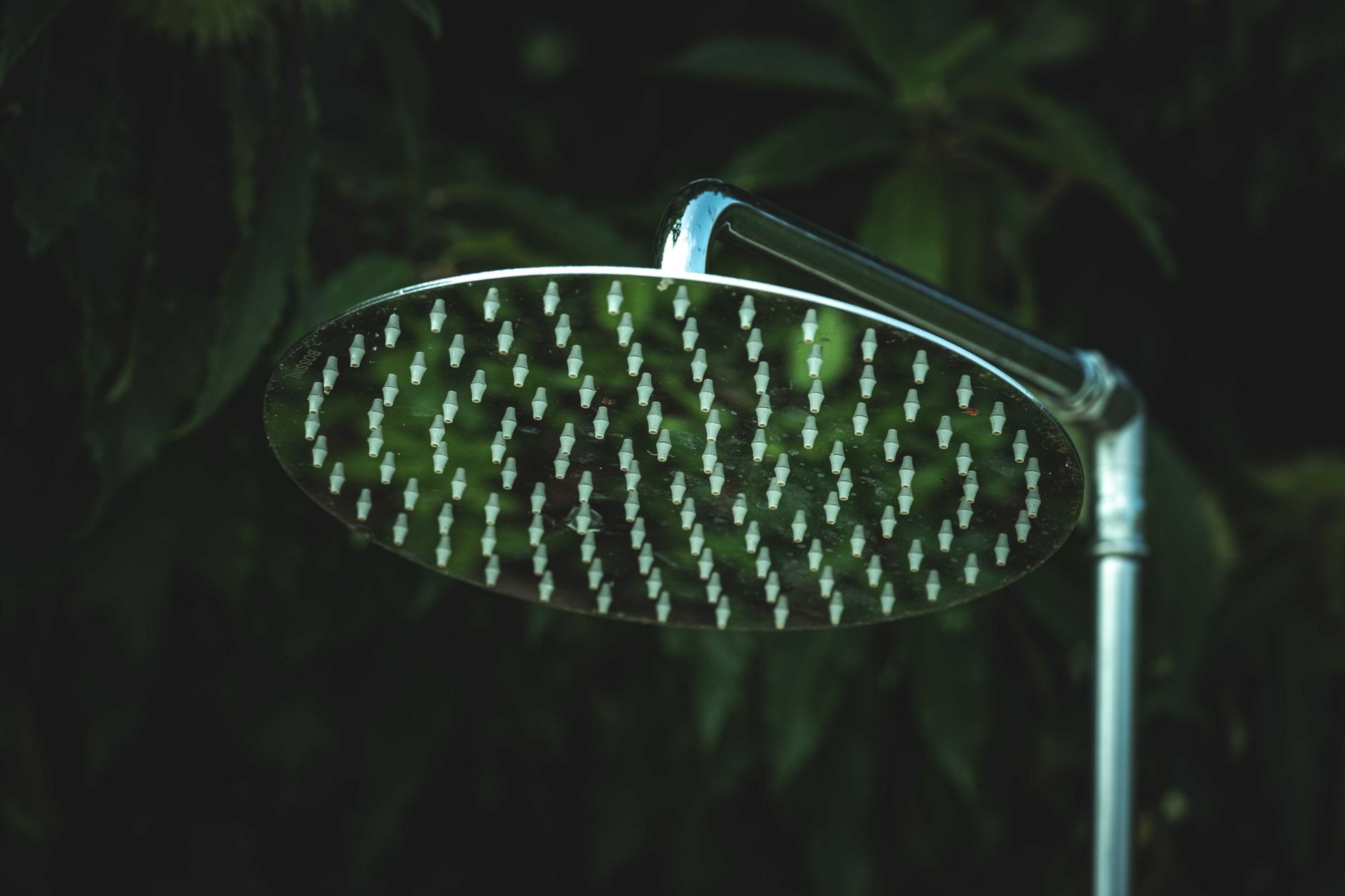
If your morning shower has gone from a satisfying rainfall to a sad, sideways dribble, you’re not alone. With hard water affecting roughly 85% of American households — and water-softener-free “low intervention” cleaning trending hard on TikTok this fall — learning how to clean shower head without removing it has become one of the most searched bathroom fixes of 2026. The good news? You don’t need a wrench, plumber’s tape, or any DIY confidence whatsoever. You need a plastic bag, some vinegar, and about 30 minutes of patience.
Here’s the thing most people get wrong: they assume a clogged shower head means a broken shower head. In reality, those crusty white deposits choking your nozzles are just limescale — calcium and magnesium minerals left behind when hard water evaporates. Dissolve the scale, and your pressure comes roaring back. Let’s walk through exactly how to do it, plus a few pro tricks for stubborn buildup and keeping it clean longer.
Why Your Shower Head Gets Clogged (And Why It’s Worse in 2026)
Every time water flows through your shower head, it leaves behind trace minerals. Over weeks and months, those minerals harden into scale that blocks the spray holes, forces water out at weird angles, and creates those annoying jets that hit you in the eye.
A few reasons this problem is spiking right now:
- Drought-conscious fixtures: Modern low-flow shower heads (1.75 GPM or less, now standard in states like California and Colorado) have smaller nozzles that clog faster than older 2.5 GPM models.
- Aging housing stock: More homeowners are keeping original bathroom fixtures longer instead of renovating, meaning decades of scale buildup.
- The “don’t replace, restore” movement: Sustainability-minded cleaners in 2026 are fixing instead of landfilling — which is exactly the right instinct here.
Beyond pressure problems, a neglected shower head can harbor biofilm and bacteria like Mycobacterium avium, which research has linked to respiratory irritation. A twice-yearly deep clean isn’t just cosmetic — it’s hygiene.
The Bag-and-Vinegar Method: The Gold Standard
This is the technique that’s racked up hundreds of millions of views under #CleanTok, and it genuinely works. Here’s how to clean shower head without removing it using nothing but household staples:
What you’ll need:
- A sturdy plastic bag (a quart or gallon zip-top bag works great)
- 1 to 2 cups of white distilled vinegar (5% acidity)
- A rubber band, zip tie, or hair tie
- An old toothbrush
- A microfiber cloth
Step-by-step:
- Fill the bag with enough vinegar to fully submerge the shower head’s face — usually 1 to 2 cups depending on your fixture size.
- Slip the bag over the shower head so the nozzle face is completely underwater. For rainfall heads, angle the bag so it pools around the face.
- Secure it tightly with a rubber band or zip tie around the neck of the fixture. Give it a gentle tug — a vinegar spill at 7 AM is nobody’s idea of fun.
- Wait 30 minutes to 2 hours. Light buildup? Thirty minutes does it. Heavy, crusty scale? Go the full two hours, or even overnight for extreme cases.
- Remove the bag and run hot water for 2–3 minutes to flush loosened debris.
- Scrub the nozzles with an old toothbrush, then wipe everything down with a microfiber cloth.
Pro tip: Many modern shower heads have flexible rubber nozzles. After soaking, simply rub your thumb across each nozzle — the scale pops right out. It’s weirdly satisfying.
No Vinegar? 3 Alternative Soaks That Work
Not everyone loves vinegar’s smell (though it dissipates within an hour), and some finishes — particularly oil-rubbed bronze, brushed brass, and matte black — can be dulled by prolonged acid exposure. Always check your manufacturer’s care guide first. If vinegar is off the table, try these:
1. Citric acid solution (the 2026 favorite) Dissolve 2 tablespoons of food-grade citric acid powder in 2 cups of warm water. It’s stronger than vinegar, nearly odorless, and the darling of the natural cleaning world this year. Soak for 30–60 minutes.
2. Baking soda paste For spot-treating visible crust without a full soak, mix 3 tablespoons of baking soda with just enough water to form a thick paste. Smear it over the nozzle face, let it sit 20 minutes, then scrub with a toothbrush and rinse. Gentler, but requires elbow grease.
3. Commercial descalers Products like CLR or Lime-A-Way work fast (often under 5 minutes), but they’re harsh chemicals. If you go this route, dilute per the label, ventilate the bathroom, wear gloves, and never mix with other cleaners. Reserve these for scale that laughs at vinegar.
The Toothpick Trick for Stubborn Nozzles
Sometimes a soak loosens scale but doesn’t fully eject it from the spray holes. If you’re still seeing uneven spray after cleaning, grab a toothpick or a soft interdental brush and gently poke each clogged nozzle. This physically breaks up remaining deposits.
A few cautions here:
- Use wood, not metal. A paperclip or pin can scratch chrome and damage rubber nozzles.
- Work while the fixture is still damp from the soak — softened scale releases far more easily.
- Follow up with a hot water flush to blow out the debris you just freed.
For handheld shower heads, you can also flex and massage the hose while water runs to shake loose sediment hiding in the line.
How Often Should You Clean It? (And How to Make It Last)
The honest answer depends on your water hardness. Here’s a realistic schedule:
- Soft water homes: Deep clean every 6 months
- Moderately hard water: Every 3 months
- Very hard water (looking at you, Arizona, Texas, and Indiana): Monthly quick wipe-downs plus a vinegar soak every 6–8 weeks
To stretch the time between deep cleans, keep a spray bottle of 50/50 vinegar and water in the shower. A quick spritz on the fixture face once a week, followed by a rinse, prevents scale from ever hardening in the first place. It takes 20 seconds and saves you the whole bag routine.
If your home’s water is brutally hard, an inline shower filter (typically $25–$50) can dramatically slow mineral buildup while also being kinder to your skin and hair — one of the most popular bathroom upgrades of 2026 for good reason.
The Bottom Line
Knowing how to clean shower head without removing it is one of those small home skills that pays off every single day. A bag, a rubber band, and a cup of vinegar can transform a weak, sputtering spray back into the pressure-washer experience you deserve — no tools, no plumber, no replacement fixture heading to a landfill.
Set a reminder for a soak this weekend, add the weekly spritz habit, and your shower head will reward you with years of strong, even flow. Your mornings (and your water bill) will thank you.