
How to Clean Tile Floors Grout Lines: The 2026 Grout Revival Method That Actually Works
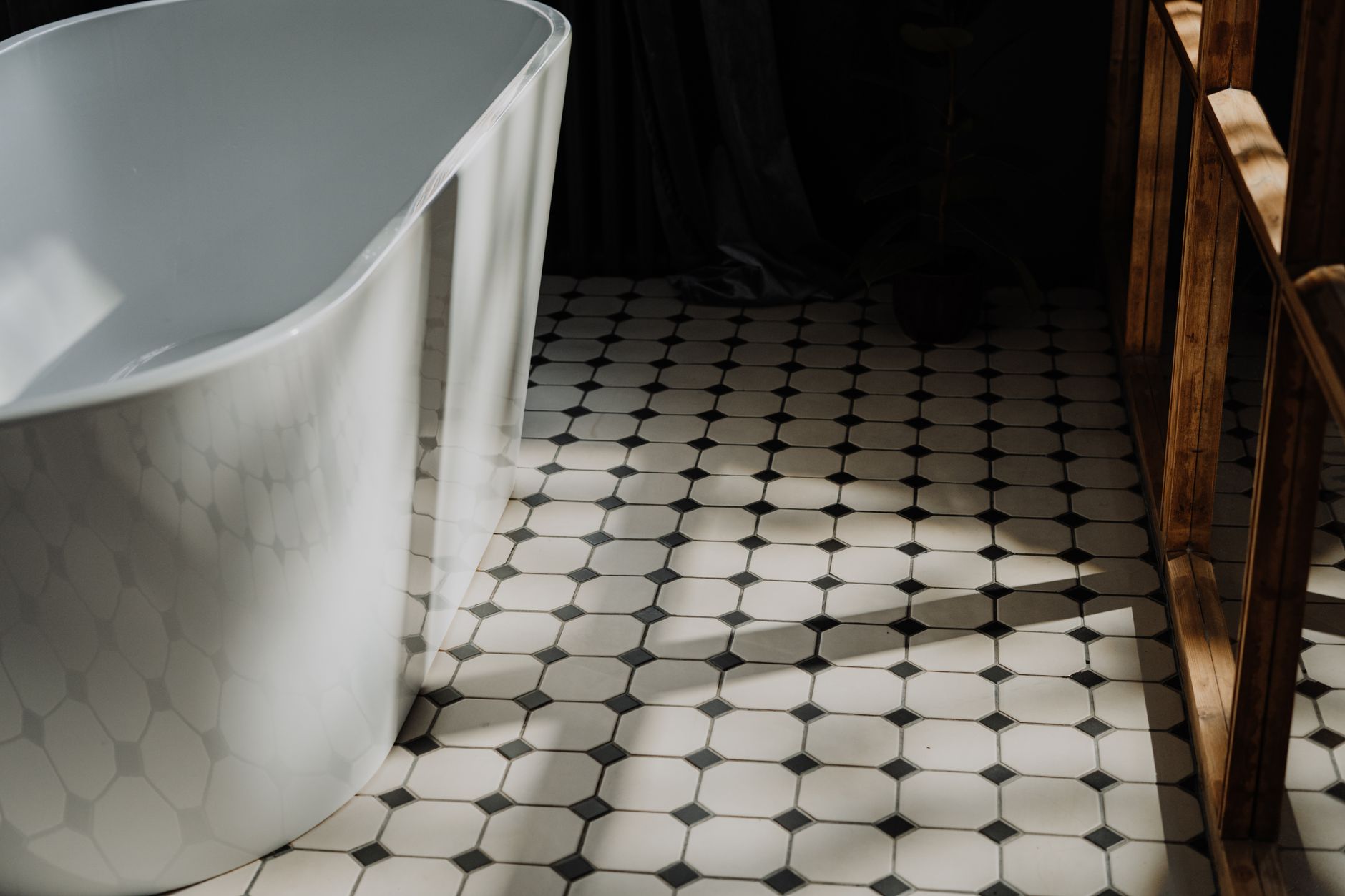
That dingy gray line between your pristine white tiles isn’t just an eyesore—it’s become the unexpected star of 2026’s home aesthetic backlash. After years of “clean girl” minimalism dominating TikTok and Instagram, homeowners are now embracing what designers call “lived-in luxury,” but with a crucial caveat: intentional character, not actual neglect. The problem? Most people can’t tell the difference between artfully aged and genuinely grimy. If your grout lines have crossed from “vintage charm” into “what color was this originally?” territory, you’re not alone. Searches for “how to clean tile floors grout lines” have surged 34% since January 2026, fueled by a wave of renters preparing for lease-end inspections and new homeowners discovering what previous owners “forgot” to mention.
Here’s the reality: grout is porous, unsealed, and essentially a dirt magnet with a PhD in stain retention. The good news? You don’t need a professional restoration service or a weekend lost to scrubbing on your hands and knees. The 2026 “grout revival” method combines smarter chemistry, better tools, and strategic timing to deliver results that actually last.
Why Your Grout Keeps Looking Dirty After Mopping
You’ve mopped. You’ve sworn. You’ve mopped again. The tiles gleam; the grout remains defiantly gray. This isn’t a cleaning failure—it’s a physics problem.
Traditional mopping pushes dirty water into grout lines, where the porous cement-based material absorbs it like a sponge. Each rinse of your mop bucket deposits slightly more grime into those channels. Over time, this creates a sediment layer that surface cleaning simply can’t touch.
The 2026 shift in approach starts with understanding your grout type:
- Cement-based grout (most common in homes pre-2020): Highly porous, stains easily, requires sealing
- Epoxy grout (newer installations, high-end renovations): Non-porous, stain-resistant, but can yellow with harsh chemicals
- Furan grout (commercial/industrial): Virtually impervious, rarely found in residential settings
If your home was built before 2020 and hasn’t had a bathroom renovation, you almost certainly have cement-based grout. This means your cleaning strategy needs to include extraction, not just surface washing.
The 2026 Grout Revival Method: Step-by-Step
This method, popularized by professional cleaners on TikTok and refined by 2026’s product innovations, cuts cleaning time by roughly 60% compared to traditional scrubbing while delivering longer-lasting results.
Step 1: The Dry Prep (5 Minutes)
Remove all loose debris with a vacuum using the crevice tool attachment. Don’t skip this—grit acts like sandpaper when you start scrubbing, potentially widening and damaging grout lines. Pay special attention to corners where hair and dust accumulate.
Step 2: The Chemical Soak (10-15 Minutes)
Here’s where 2026’s product evolution matters. Skip the bleach (it degrades grout over time) and the vinegar (too acidic for unsealed cement). Instead, choose one of these proven options:
- Oxygen bleach powder (Sodium percarbonate): Mix with warm water to manufacturer specs, apply to grout lines, let sit 10-15 minutes. The 2026 formulations from brands like OxiClean and Whip-It release oxygen ions that lift stains without the harshness of chlorine bleach.
- Alkaline cleaner (pH 11-13): Professional-grade options like Zep Heavy-Duty Floor Stripper or Simple Green Pro HD break down organic oils and soap scum. Dilute properly—stronger isn’t better.
- Enzymatic cleaners: The 2026 standout for kitchens and bathrooms where grease and body oils dominate. Brands like Biokleen and Puracy have improved formulations that work in 15 minutes rather than the overnight waits previously required.
Apply your chosen cleaner with a squeeze bottle or grout brush with a reservoir—this targets the lines without wasting product on tiles.
Step 3: The Mechanical Action (10 Minutes)
Here’s the tool upgrade that changed 2026’s cleaning landscape: electric grout brushes. Manual scrubbing with a toothbrush averages 30 seconds per linear foot. The $25-$40 electric versions (Black+Decker’s Grimebuster and Homitt’s spin scrubber lead Amazon’s 2026 rankings) cut this to 5 seconds with superior agitation.
Work in small sections, brushing along the grout lines (not across—this prevents tile scratching). For stubborn stains, apply a paste of baking soda and your liquid cleaner directly to the spot, let sit 5 additional minutes, then brush.
Step 4: The Extraction Rinse (5 Minutes)
This step separates amateur from professional results. Instead of a mop and bucket, use a wet/dry vacuum to extract the dirty cleaning solution. No wet/dry vac? A microfiber flat mop with a clean, wrung-out pad works as backup—just change pads frequently.
Follow with a clean water rinse, again extracting rather than pushing around. The goal is removing suspended dirt, not redistributing it.
Step 5: The Drying Window (30-60 Minutes)
Keep foot traffic off for at least 30 minutes. This prevents re-soiling and lets you assess whether a second treatment is needed. Severely neglected grout may require two passes—don’t despair, the second round is always faster.
Sealing: The 2026 Game-Changer for Lasting Results
Here’s what most guides miss: cleaning without sealing is like washing your car in a dust storm. Modern grout sealants have evolved dramatically. The 2026 water-based formulas (AquaMix Sealer’s Choice Gold, Miracle Sealants 511 Impregnator) apply in 10 minutes, dry in 2-4 hours, and protect for 3-5 years versus the annual reapplication older products demanded.
Application timing: Seal after deep cleaning, when grout is fully dry. Apply with a foam brush or sealer applicator bottle, let penetrate 5-10 minutes, wipe excess from tiles immediately. The $20 investment saves hundreds in future professional cleaning.
Maintenance Schedule That Actually Sticks
The 2026 “low-lift maintenance” approach keeps grout looking fresh with minimal effort:
- Weekly: Dry microfiber mop with spritz of neutral pH cleaner (pH 6-8). No water buckets, no saturation.
- Monthly: Spot-treat discolored areas with oxygen bleach solution, 5-minute dwell, quick brush.
- Quarterly: Inspect sealant by dropping water on grout—if it darkens immediately, reseal that section.
For households with pets, kids, or high kitchen traffic, add a bi-annual deep clean using the full revival method.
When to Call Professionals (And What It Costs in 2026)
Sometimes DIY hits its limit. Professional grout cleaning services now average $0.75-$1.50 per square foot nationally, with 2026’s truck-mounted hot water extraction systems delivering results home equipment can’t match. Consider pros if:
- Grout is physically crumbling or missing (repair needed before cleaning)
- Mold covers more than 10% of grout area
- You’re preparing a home for sale and want the “new renovation” look
Many 2026 services now offer “grout color sealing”—essentially painting grout with an epoxy-based colorant that seals and refreshes simultaneously. At $1.50-$2.50 per square foot, it’s pricier but transforms decades-old installations.
Conclusion
Learning how to clean tile floors grout lines isn’t about accepting drudgery—it’s about working smarter with 2026’s improved tools and formulations. The grout revival method delivers professional-grade results in under an hour, with sealing that extends cleanliness for years rather than weeks. Your tile’s frame deserves as much attention as the surface itself; treat it right, and that “lived-in luxury” becomes genuinely intentional, not just a polite excuse for neglect. Grab an electric brush, pick up a quality oxygen bleach, and reclaim the lines that define your floors.