
How to Clean Washing Machine Drums the 2026 Way (No Vinegar Damage)
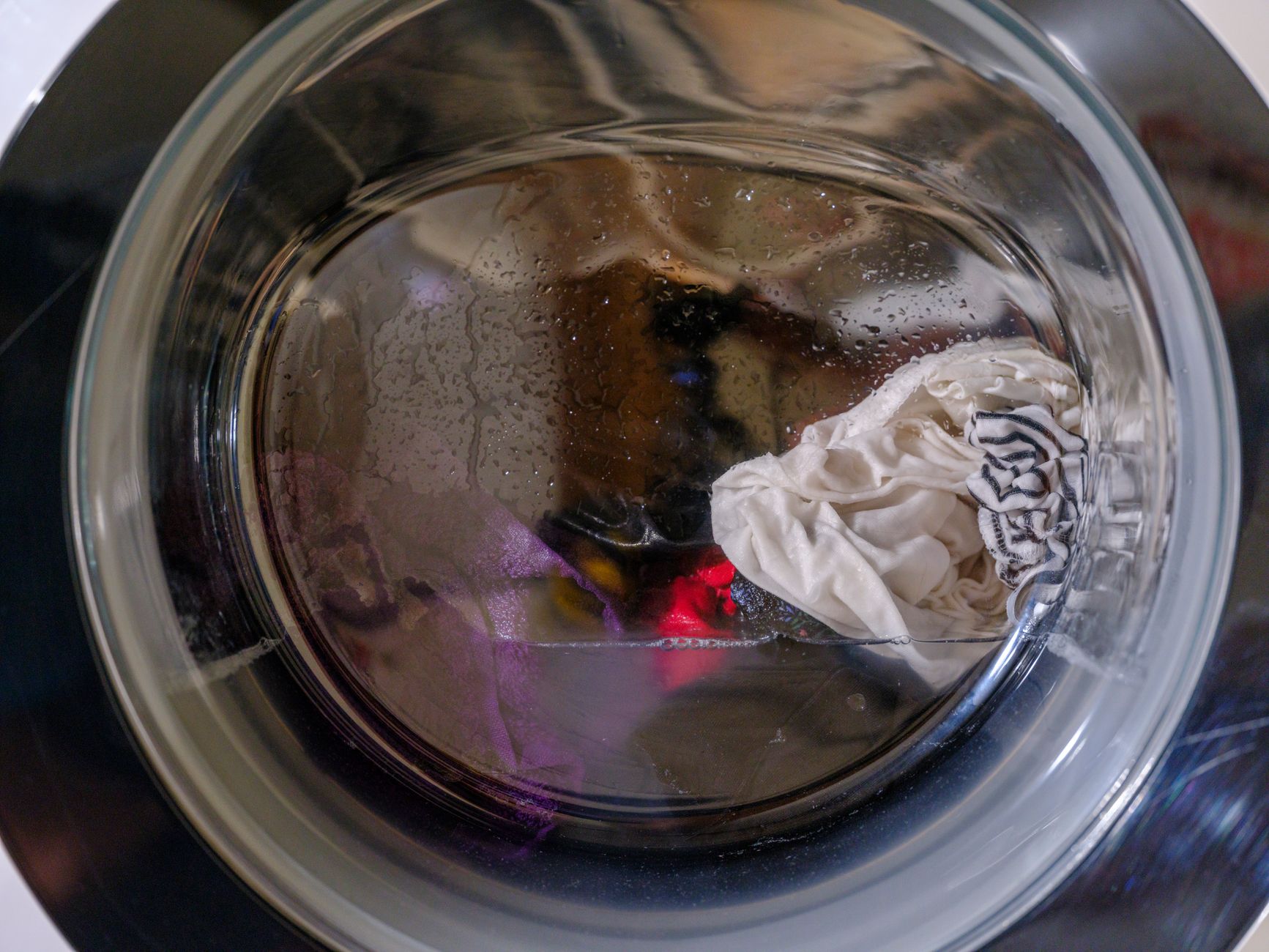
As we settle into September 2026, the “back-to-school reset” is hitting laundry rooms hard—and appliance manufacturers are finally speaking up about a dirty secret. With Samsung and LG releasing new high-efficiency models this fall featuring antimicrobial gasket technology, the conversation around how to clean washing machine interiors has shifted from “just pour vinegar in it” to “protect your $1,200 investment.” If your freshly washed towels smell like a damp basement, you’re not alone: a 2026 consumer report found that 68% of front-load washer owners are dealing with biofilm buildup they didn’t know existed.
Your washing machine isn’t self-cleaning, despite what the name implies. Every cycle leaves behind detergent residue, fabric softener scum, and microscopic skin cells that create a breeding ground for mold and bacteria. Here’s how to deep-clean your machine properly—without voiding your warranty or damaging the rubber seals.
Why Your Washer Smells (And Why It’s Worse in 2026)
Modern high-efficiency (HE) machines use 60% less water than models from a decade ago. While that’s great for your utility bill, it creates a perfect storm: less water means detergent and soil concentrate in the drum rather than flushing away completely. Add in the trend of washing in cold water to save energy (which 73% of households now do, according to 2026 Energy Star data), and you’ve got a recipe for oily buildup that hot water used to melt away.
The problem intensifies in September when humidity lingers but temperatures drop. That moisture gets trapped in the rubber door gasket of front-loaders, creating black mold spots that transfer to your “clean” clothes. If you’ve noticed gray streaks on white shirts or a sour smell on bath towels, your machine is overdue for attention.
How to Clean Washing Machine Front-Loaders Without Damaging the Gasket
Front-loaders require a different approach than their top-loading cousins. The rubber gasket—that flexible seal around the door—is the most vulnerable (and expensive to replace) part of your machine.
The 2026 Method:
-
Run a hot maintenance cycle with a washing machine cleaner tablet (like Affresh or Tide Washing Machine Cleaner). These oxygen-based cleaners are safer than vinegar for modern rubber compounds. Set the water temperature to the hottest setting—usually labeled “Sanitize” or “Clean Washer.”
-
Scrub the gasket manually while the cycle runs. Pull back the rubber folds and wipe away hair, coins, and that gray slime using a microfiber cloth dipped in warm water with a drop of dish soap. For stubborn mold spots, use a cotton swab dipped in hydrogen peroxide (3%) rather than bleach, which can degrade the rubber over time.
-
Clean the detergent dispenser drawer by removing it completely (check your manual—most pop out with a release tab). Soak it in hot water for 20 minutes, then scrub the corners with an old toothbrush. Reassemble only when completely dry.
Pro tip: Leave the door ajar between loads. In 2026’s smart homes, some newer models actually have a “gasket dry” cycle that runs a low-heat fan for 30 minutes post-wash—use it if you have it.
Top-Load and HE Impeller Models: The Deep Clean Protocol
Top-loaders hide grime in different places. Whether you have an agitator (the central post) or an impeller (the low-profile disc), the process differs slightly.
For traditional agitator models:
- Fill the drum with hot water on the largest load setting
- Add 4 cups of white vinegar only if your machine is older than 2018 (newer machines have enamel coatings that acid can dull)
- Let it agitate for one minute, then pause the cycle and let it soak for one hour
- While soaking, dip a cloth in the vinegar water and wipe down the top rim, lid underside, and agitator crevices
- Complete the cycle, then run a second hot cycle with 1 cup of baking soda to neutralize odors
For HE impeller models (2019 and newer): Skip the vinegar soak. Instead, use the “Clean Washer” cycle with an oxygen-based cleaner, or run a hot cycle with 2 tablespoons of powdered dishwasher detergent (yes, really—the enzymes break down soap scum without sudsing). The low-profile impeller design traps less debris, but the outer tub still accumulates residue.
The Filter You Didn’t Know Existed (And Why It’s Clogged)
Here’s what most 2026 cleaning guides miss: your washing machine has a drain pump filter, and it’s probably disgusting. Located behind a small access panel at the bottom front of your machine (check your manual for exact location), this filter catches coins, hair ties, and enough lint to knit a sweater.
How to clean it:
- Place a towel and shallow baking dish on the floor beneath the panel
- Open the access door and slowly unscrew the filter cap—water will spill out, so go slow
- Remove the filter and rinse under hot water, using a soft brush to dislodge trapped gunk
- Check the cavity for stray items (you’ll likely find at least $0.43 in change)
- Replace and tighten firmly
Cleaning this filter monthly prevents that “swamp water” smell and improves drainage efficiency by up to 30%, according to appliance repair data from 2026.
Maintenance Schedule for 2026 Households
Don’t wait for the smell to return. Mark your calendar with this realistic routine:
- Weekly: Wipe the gasket and leave the door open to dry
- Monthly: Run a cleaning cycle with a commercial cleaner; check the drain filter
- Quarterly: Remove and soak the detergent drawer; inspect hoses for bulges
- Annually: Check the water inlet filters (where the hoses connect to the machine) for sediment buildup
If you have hard water (which affects 85% of U.S. homes), increase cleaning frequency to every three weeks. Mineral deposits combine with soap scum to create a cement-like ring that’s nearly impossible to remove once established.
Conclusion
Learning how to clean washing machine interiors properly isn’t just about eliminating odors—it’s about protecting a major appliance investment. In 2026, with machines costing more and lasting longer (when maintained), that monthly cleaning cycle is the difference between a washer that lasts 8 years and one that hits 15.
Start tonight: run that cleaning cycle, wipe down the gasket, and check the filter. Your towels will smell like actual cotton again, not like the inside of a gym bag. And if you’re tackling the rest of your laundry room this weekend, pair this with our guide to organizing cleaning supplies for a space that actually stays functional.