
How to Declutter Kitchen Counters Daily: The 8-Minute Reset System That Actually Sticks
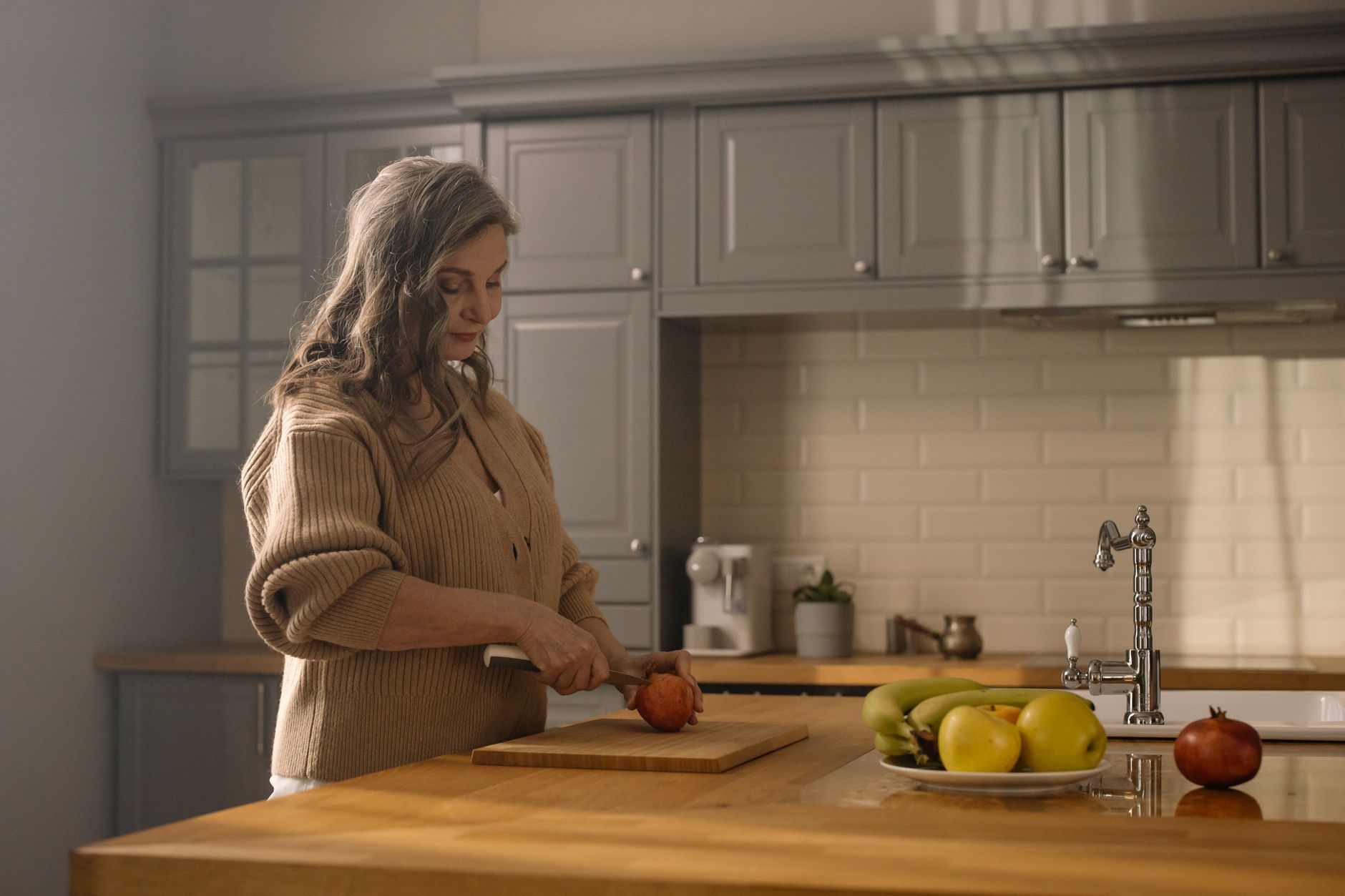
The “clean kitchen” aesthetic has officially evolved. In 2026, Pinterest’s latest home trends report shows that “functional minimalism” is outpacing stark, empty-counter kitchens by nearly 40%—people want spaces that work hard, not just look empty. The problem? Most of us land somewhere between aspirational magazine spread and “where did I put the cutting board?” The real win isn’t a sterile kitchen; it’s learning how to declutter kitchen counters daily so your space supports your actual cooking habits, not fights them.
If you’ve tried the “just put things away” advice and watched your counters reclaim territory by Wednesday, you’re not failing the system—the system failed you. Here’s a practical, habit-based approach that accounts for real kitchens, real schedules, and the mysterious force that makes mail, chargers, and random Tupperware lids multiply overnight.
Why Kitchen Counters Become Chaos Magnets (It’s Not Your Laziness)
Understanding the enemy helps. Kitchen counters accumulate clutter through three specific mechanisms, and identifying yours changes everything.
The “Temporary Landing” Trap: That spot by the stove where you set something “just for a second”? It has a half-life of approximately 72 hours. Groceries, mail, kids’ art projects, that thing you need to return to your neighbor—they all arrive with noble intentions of quick departure.
Tool Overwailability: When every gadget lives in sight, nothing feels special and everything becomes visual noise. The 2026 trend toward “tool libraries” (storing specialty items elsewhere and retrieving as needed) reflects this insight.
Decision Fatigue at the Wrong Time: Evening you is exhausted. Morning you is rushed. Neither version wants to sort the mail or find the banana bread pan’s actual home.
The solution isn’t willpower. It’s designing systems that make the right choice the easy choice.
The 8-Minute Evening Counter Reset
This is the anchor habit. Do this once, consistently, and everything else gets easier. Set a phone timer for eight minutes—yes, actually time it. You’ll be shocked how much happens when the clock creates urgency.
Minutes 0-2: The Sweep Grab a laundry basket or large bin. Everything that doesn’t belong on the counter goes in. Don’t sort yet. Mail, toys, that screwdriver, the vitamin bottle your partner left out—just sweep. Move fast.
Minutes 2-5: The Return Walk the basket to where things live. Don’t get distracted by organizing those spaces; just deposit and return. If something has no home, it goes in a designated “decision needed” bin—not back on the counter.
Minutes 5-7: The Wipe Clear surface, quick clean. A microfiber cloth with warm water handles most evening needs. For sticky spots, a spray of diluted dish soap. This isn’t deep cleaning; it’s the “reset” signal to your brain that the day is done here.
Minutes 7-8: The Tomorrow Preview Set out only what you’ll need first thing. Coffee setup, breakfast prep items, the lunch container. This intentional placement trains your eye to expect useful things, not random accumulation.
Done daily, this prevents the Sunday-afternoon counter catastrophe that eats your weekend. Most people find it takes under five minutes within two weeks, as the habit builds and clutter stops arriving in the first place.
The “One In, One Visible” Rule for Countertop Residents
Not everything must hide. Some items earn counter space through daily utility. The key is capping the visible population.
Audit your current counter residents with this question: Did I use this more than 4 times this week? Not “might use” or “plan to use”—actual recent use. The knife block, the coffee maker, the toaster if you make toast daily. These stay.
Everything else gets evaluated against the “one in, one visible” principle: for every new item that wants counter space, something visible must move to storage. Your air fryer arrives? The toaster oven that collected crumbs for three months goes to the cabinet. New fancy olive oil bottle? The three half-empty ones consolidate or depart.
This rule prevents the slow creep that turns “just a few things” into countertop gridlock. It’s particularly powerful for small kitchens, where the 2026 trend of “appliance rotation”—storing and swapping based on seasonal cooking patterns—has gained serious traction.
Creating Drop Zones That Actually Work
The biggest counter-clutter source isn’t kitchen stuff; it’s life stuff that enters through the kitchen. Keys, mail, sunglasses, that thing from work, the kid’s permission slip.
A dedicated drop zone, positioned strategically, intercepts this invasion. The critical elements:
Location: Near your most-used entry point, but not on the main counter. A wall-mounted shelf, a narrow console table, or even the side of a refrigerator with magnetic organizers. The goal is “near enough to be convenient, separate enough to not colonize.”
Container specificity: Generic “stuff” bowls become black holes. Use specific containers: a small tray for keys, a vertical file for actionable mail, a hook for the one bag you use most. When containers have jobs, they stay functional.
The 24-hour rule: Nothing lives in the drop zone longer than a day. Permission slips get signed and moved to backpacks. Mail gets sorted or recycled. This requires—here’s the honesty—a partner or household agreement, but the counter peace is worth the conversation.
The Morning Maintenance That Prevents Evening Overwhelm
If the evening reset is your anchor, a two-minute morning habit is your shield. Before or during coffee brewing:
- Put away anything that migrated overnight (water glass, late-night snack plate)
- Return any drop zone items that got handled
- Straighten the “visible residents” if they shifted
This isn’t additional cleaning. It’s maintenance—catching the small drift before it becomes a landslide. People who do this consistently report that their evening reset shrinks to 3-4 minutes, because the day’s accumulation never builds.
Building the Habit When You’ve Failed Before
If you’ve tried counter systems and abandoned them, the issue was likely scope or timing, not you. Three adjustments make the difference:
Start smaller than feels reasonable. Just the evening sweep for two weeks. Don’t add morning maintenance or drop zone perfection yet. One habit, established, creates the foundation.
Attach to existing anchors. Do the reset right after dinner cleanup, or immediately when you get home from work. The “after I ___, I will ___” format, studied extensively in behavioral science, dramatically increases follow-through.
Track visibly. A simple calendar checkmark, or the growing streak in a habit app. The 2026 resurgence of “analog tracking”—physical calendars with satisfying X’s—works particularly well for household habits, because the whole family sees the commitment.
Conclusion
Learning how to declutter kitchen counters daily isn’t about achieving a magazine-perfect kitchen. It’s about reclaiming the mental space that visual clutter quietly consumes, and creating a workspace that actually functions when you’re cooking at 6 PM on a Tuesday.
The 8-minute evening reset, the “one in, one visible” rule, strategic drop zones, and brief morning maintenance—together, these form a system that bends around real life rather than demanding you bend around it. Start with just the evening sweep this week. Time it. Notice how eight minutes of intentional action changes how the kitchen feels the next morning.
The functional minimalism trend isn’t going anywhere because it works: spaces that are clear enough to use, populated enough to feel lived-in. Your counters don’t need to be empty. They just need to be yours again.