
How to Organize Cleaning Supplies Closet: The 2026 TikTok-Inspired System That Actually Stays Tidy
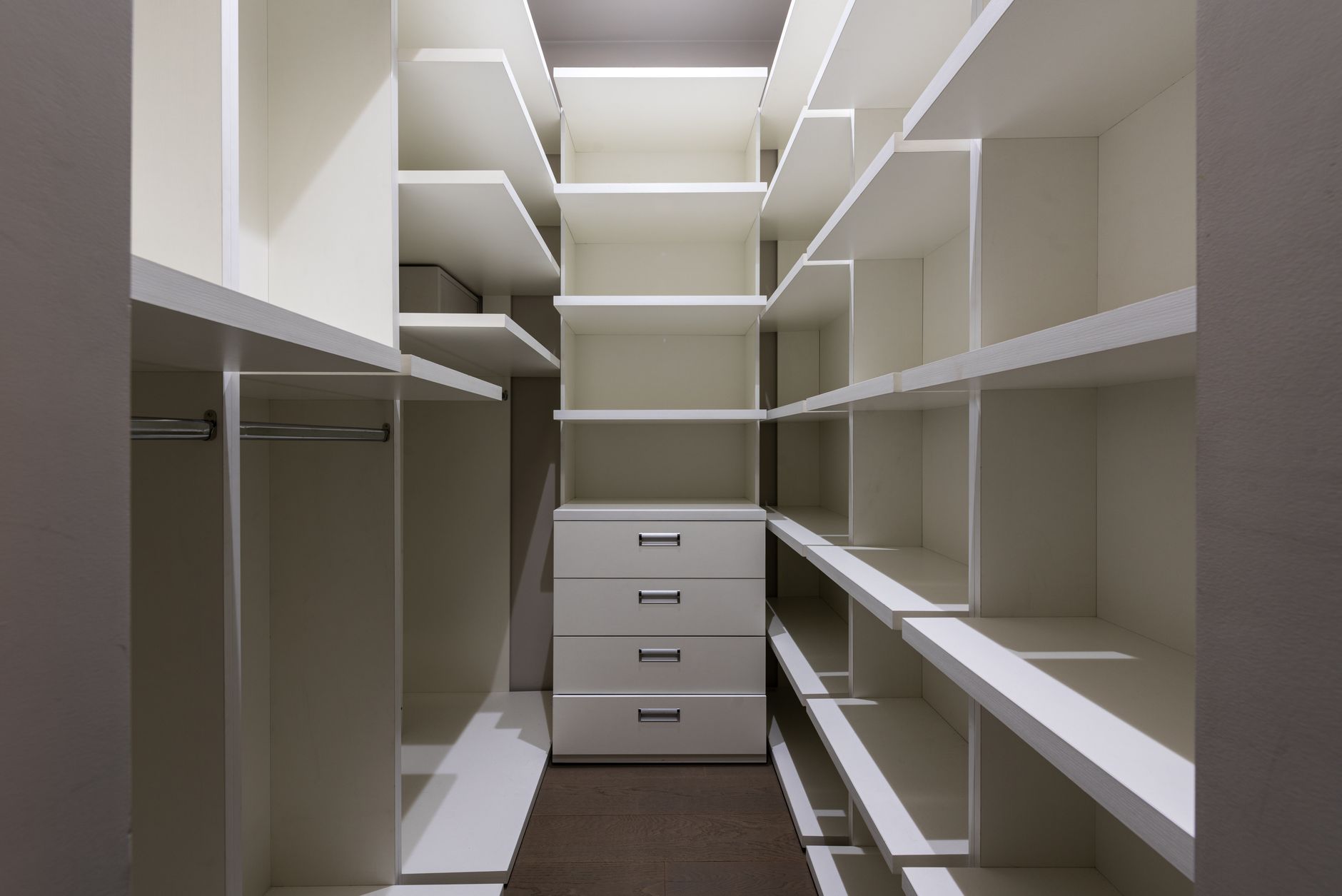
If you’ve opened your cleaning closet this spring only to have a half-empty spray bottle tumble onto your foot, you’re not alone. The 2026 “cleaning reset” trend—where millions of TikTok users are filming their weekend closet overhauls using the viral “zone-and-caddy” method—has exposed a universal truth: most of us are storing our supplies in a way that actively fights against how we actually clean. This isn’t about aesthetic matching sets or $200 closet systems. It’s about building a functional setup that survives real life, messy spills, and the inevitable “I’ll put it back later” moments.
Here’s how to organize cleaning supplies closet spaces that stay organized long after the TikTok camera stops rolling.
The Zone Method: Stop Organizing by Product Type
The biggest mistake in cleaning closet organization? Grouping by category. All sprays together. All brushes together. All rags together. Looks beautiful, fails practically.
The 2026 shift—popularized by professional organizer Kayleen Kelly’s viral 2.3 million-view series—organizes by cleaning zone instead. Your closet gets divided into grab-and-go kits: bathroom caddy, kitchen caddy, floor caddy, and emergency/quick-fix caddy.
Why this works: You’re never carrying five loose bottles upstairs. You’re grabbing one container with exactly what you need for that 12-minute bathroom wipe-down between video calls.
The four-zone breakdown:
- Bathroom caddy: Disinfectant, toilet bowl cleaner, glass spray, microfiber cloths, toilet brush
- Kitchen caddy: Degreaser, dish soap refill, stainless steel polish, odor eliminator, scrub brushes
- Floor caddy: Mop head refills, floor cleaner concentrates, dustpan, small broom
- Emergency caddy: Stain remover, paper towels, disposable gloves, pet accident cleaner
Each caddy lives on its own shelf or hook. When you’re done, everything returns to its designated container. No more orphaned bottles rolling behind the vacuum.
Vertical Real Estate: The 72-Inch Rule
Standard cleaning closets are 24-30 inches deep but only utilized in the first 12. The back becomes a black hole where spray bottles go to expire.
The 2026 organizing community has embraced the 72-inch rule: every square inch from floor to ceiling within arm’s reach gets assigned purpose, but nothing lives deeper than you can see without moving something else.
Specific solutions that work:
- Overdoor systems: Elfa’s 2026 utility door rack (rated #1 by Better Homes & Gardens this March) holds 40+ pounds across four tiers. Cost: $89. Fits standard 80-inch doors.
- Sliding drawer inserts: IKEA’s new OMAR mesh drawer units ($34-$58) slide out to reveal back-row items without unloading the front.
- Tension-rod spray bottle holders: A $12 tension rod installed 8 inches from the back wall creates instant hanging storage for 6-8 trigger bottles, freeing shelf space for bulk items.
The ceiling hack: Install a simple bike hook or IKEA FINTORP rail on the closet ceiling for mop/broom suspension. This single change reclaims 15-20 inches of previously unusable floor space.
The Refill Revolution: Bulk Storage Without the Bulk
2026’s most significant cleaning industry shift? Concentrate refills. Brands like Blueland, Grove Collaborative, and even Clorox’s new “Eco-Refill” line have made bulk concentrate storage essential. A single closet now might hold 6 months of cleaning power in 1/10th the bottle volume—but only if you design for it.
Smart concentrate storage:
- Designate a “mixing station” shelf at counter height (usually the second shelf from top in standard closets). Keep one permanent spray bottle per caddy here, plus concentrate refills in a labeled shoebox.
- Use graduated cylinder-style measuring cups ($4-7, restaurant supply stores) that hang on hooks rather than getting lost in drawers. Precise mixing prevents the “glug-glug” over-concentration that wastes product and leaves residue.
- Label with mix dates: Masking tape + permanent marker. Concentrates mixed more than 90 days ago lose efficacy—knowing when you made each batch prevents the “is this still good?” hesitation that leads to duplicate purchases.
Space math: One 16-oz concentrate refill equals 8 standard spray bottles. If you’re storing 6 months of supplies, concentrates reduce your bottle storage footprint by roughly 75%.
The Restocking Rhythm: Calendar-Based Maintenance
Even perfect systems fail without maintenance rhythm. The 2026 “organized” aesthetic isn’t about one-time perfection—it’s about predictable, low-effort resets.
The 15-minute monthly restock (schedule it: first Saturday, 9 AM):
- Empty and wipe each caddy with a damp cloth (2 minutes)
- Inventory check: Any concentrate below 25%? Any tool broken or worn? (3 minutes)
- Restock from bulk storage or add to shopping list (5 minutes)
- Rotate seasonal items: Bug spray in/out, heavy-duty floor cleaner for muddy seasons (3 minutes)
- Quick vacuum of closet floor (2 minutes)
The quarterly deep audit (schedule with seasonal changes):
- Check expiration dates on disinfectants (most lose full efficacy after 2 years unopened)
- Test spray triggers—stiff or broken ones get replaced immediately, not “later”
- Evaluate: Did any caddy stay untouched? If so, that zone needs rethinking, not more products
Apps like Tody and Sweepy now offer cleaning closet inventory features, but a simple photo of your organized shelves taken monthly does the same visual comparison work for free.
Safety-First Organization: The 2026 Non-Negotiables
The EPA’s updated 2026 household chemical storage guidelines—and several viral “cleaning closet fire” warnings that circulated after a February Florida incident—make certain organizational choices mandatory, not optional.
Hard rules for 2026:
- Never store bleach above ammonia products. If both must live in your closet, separate by shelf with a physical barrier (even a cardboard box prevents the fume-mixing accident that hospitalizes 2,300 Americans annually).
- Lock or latch if children under 12 access the closet. Magnetic childproof cabinet locks ($15 for 4) work on standard closet doors without drilling.
- Store batteries separately from cleaning liquids. The 2025-2026 surge in “smart” cleaning tools means more lithium batteries in closets—corrosion risk from leaked liquids is real and underreported.
- Keep a printed poison control number (1-800-222-1222) inside the closet door, not just in your phone. Panic moments impair phone navigation.
Conclusion
Learning how to organize cleaning supplies closet spaces isn’t about Pinterest perfection—it’s about removing friction from the chore you already have to do. The 2026 zone-and-caddy approach works because it mirrors how you actually move through your home: purposefully, quickly, and with specific tools for specific spaces.
Start this weekend. Empty everything. Sort into four zones. Hang your bottles. Schedule your monthly 15-minute reset. The TikTok videos make it look effortless because, once the system exists, it genuinely is. Your future self—the one running late for work who still needs to wipe down that bathroom mirror—will thank you every single time she grabs exactly what she needs in exactly six seconds.