
How to Remove Pet Urine Smell from Carpet: The 2026 Enzyme Method That Actually Works
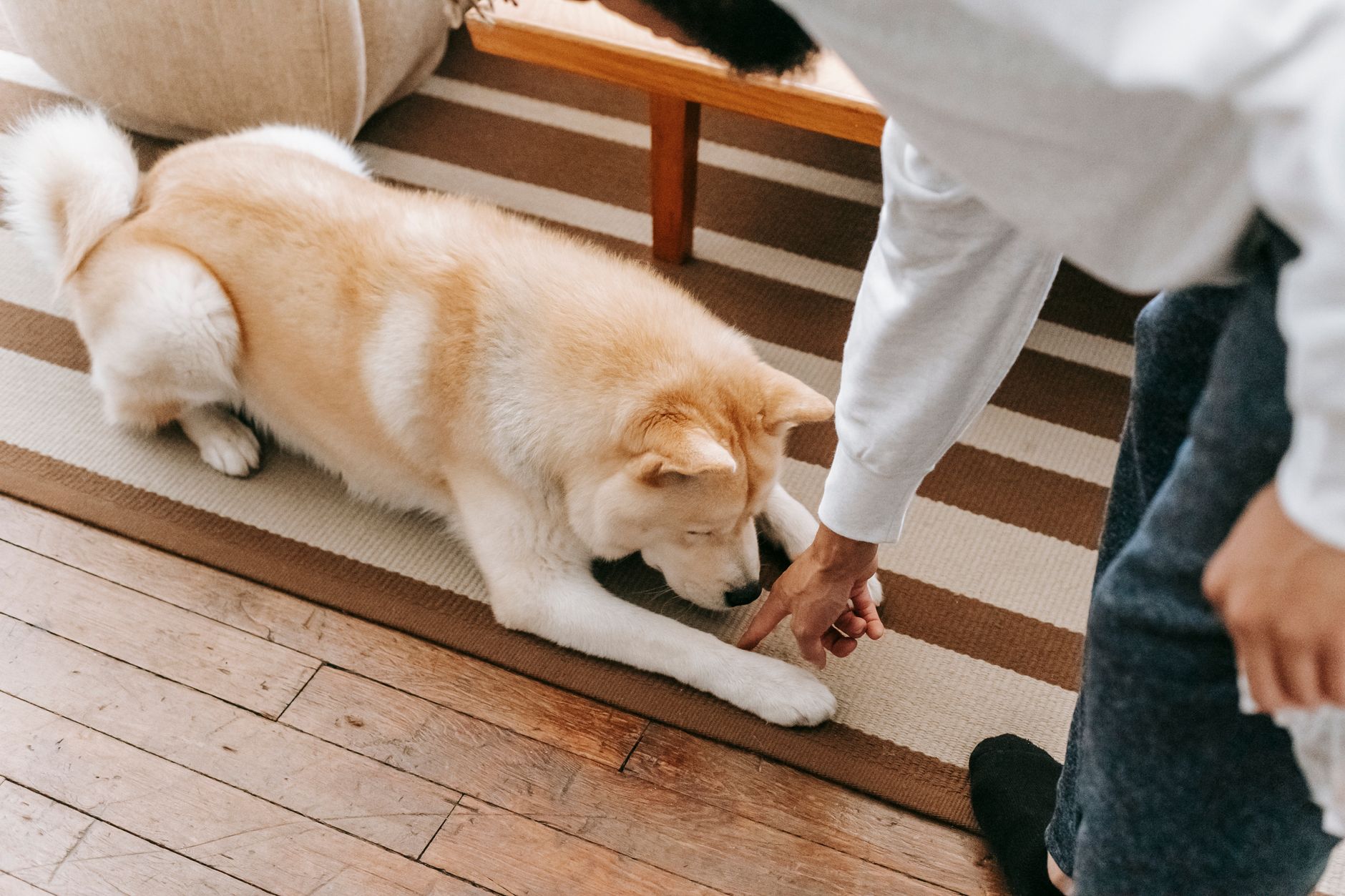
If you’re a pet parent in 2026, you’re not alone—pet ownership has hit record highs this year, with over 70% of households now sharing their space with furry companions. But here’s the reality check: learning how to remove pet urine smell from carpet has become one of the most searched cleaning queries as more people adopt rescue animals and navigate puppy training. The good news? The science behind odor elimination has evolved dramatically, and those lingering smells don’t have to be permanent.
Whether you’re dealing with a fresh accident from your new puppy or discovering an old stain that’s been haunting your living room for months, this guide will walk you through exactly what works (and what’s a waste of money) when it comes to permanently eliminating pet urine odors from your carpet fibers.
Why Pet Urine Smell Is So Stubborn (And Getting Worse)
Here’s what most people don’t realize: pet urine isn’t just a surface problem. When your dog or cat has an accident, the urine doesn’t just sit on top of your carpet—it soaks through to the padding and sometimes even the subfloor beneath.
As urine dries, it leaves behind uric acid crystals that bond to carpet fibers at a molecular level. These crystals are the real culprit behind that persistent smell. Even worse? They’re reactivated by humidity. That’s why you might notice the smell returning on rainy days or during summer months, even if you thought you’d cleaned it thoroughly.
Traditional cleaning methods—soap, water, even some carpet shampoos—only mask the odor temporarily or clean the surface. They don’t break down those uric acid crystals, which is why the smell keeps coming back like an unwelcome guest.
The Enzyme Cleaner Revolution: Your First Line of Defense
If you take away one thing from this guide, let it be this: enzyme cleaners are non-negotiable for pet urine removal. These biological cleaners contain beneficial bacteria that produce enzymes specifically designed to break down the proteins and uric acid in pet urine.
Here’s how to use them effectively:
Step 1: Blot, Don’t Rub
- Use paper towels or clean white cloths to absorb as much fresh urine as possible
- Press firmly and stand on the towels if needed to extract maximum moisture
- Never rub—this pushes urine deeper into fibers and spreads the stain
Step 2: Saturate with Enzyme Cleaner
- Apply enough enzyme cleaner to soak through to the padding (yes, that much)
- The affected area should be thoroughly wet, not just damp
- For a standard 12-inch stain, you’ll need about 16-24 ounces of product
Step 3: Let It Work
- Cover the area with plastic wrap or a damp towel to keep it moist
- Allow 12-24 hours for the enzymes to fully break down the urine compounds
- Don’t rush this step—enzymes need time to literally digest the odor-causing molecules
Step 4: Air Dry and Vacuum
- Remove the covering and let the area air dry completely
- Once dry, vacuum thoroughly to remove any residue
- The smell should be gone, not just covered up
Top-rated enzyme cleaners in 2026 include Rocco & Roxie Professional Strength, Nature’s Miracle Advanced, and Angry Orange. Expect to pay $20-35 for a quality gallon-size bottle.
The DIY Method: When You Need a Solution Right Now
Caught without enzyme cleaner at 11 PM when your puppy has an accident? This kitchen-cabinet solution can help in a pinch, though it’s not as effective as enzymes for set-in stains.
The Vinegar-Baking Soda Combo:
- Blot the area thoroughly with paper towels
- Mix a solution of equal parts white vinegar and water (start with 2 cups each)
- Saturate the stain completely and let sit for 10 minutes
- Blot again until barely damp
- Sprinkle baking soda generously over the area (about 1/2 cup for a medium stain)
- Add a drop of dish soap to 1/2 cup hydrogen peroxide and drizzle over the baking soda
- Work it in gently with a soft brush
- Let dry completely (4-6 hours), then vacuum thoroughly
The vinegar neutralizes ammonia in urine, while baking soda absorbs odors. Hydrogen peroxide helps break down remaining compounds. Fair warning: test this in an inconspicuous spot first, as peroxide can lighten some carpet colors.
How to Remove Pet Urine Smell from Carpet When It’s Old or Set-In
Discovering an old stain—maybe from a previous tenant or a spot your cat’s been secretly using—requires a more aggressive approach. This is where most people give up, but persistence pays off.
The Black Light Method:
Invest in a UV black light flashlight (around $12-20 online). Turn off all lights and scan your carpet in the dark. Pet urine glows under UV light, revealing stains you can’t see with the naked eye. Mark each spot with painter’s tape.
Deep Treatment for Set-In Stains:
- Rehydrate the area with warm water to reactivate the urine crystals
- Extract with a wet vacuum if you have one (rental units work great)
- Apply enzyme cleaner in double the normal amount
- Cover and wait 24-48 hours—old stains need extended treatment time
- Repeat if necessary—seriously set stains may need 2-3 treatments
For stains that have soaked through to the subfloor, you might need to pull back the carpet, treat the padding and subfloor separately, or in extreme cases, seal the subfloor with an odor-blocking primer like KILZ before reinstalling carpet.
When to Call in Professional Help (And What It Should Cost)
Sometimes DIY just won’t cut it. Here’s when to bring in the pros:
- Multiple or widespread accidents (more than 3-4 spots in one room)
- Urine has reached the subfloor (you’ll smell it even after carpet treatment)
- You have expensive or delicate carpet (wool, silk, antique rugs)
- The smell persists after 2-3 enzyme treatments
Professional pet odor removal typically costs $150-300 per room in 2026, depending on your location and the severity. Look for companies that use truck-mounted hot water extraction combined with enzyme treatments. Avoid services that only offer “deodorizing”—that’s usually just fragrance masking the problem.
Ask specifically about their pet urine process. Reputable companies will:
- Use UV lights to locate all affected areas
- Apply enzyme treatments before extraction
- Offer a guarantee (typically 30 days)
- Provide padding replacement if needed (adds $100-200 per room)
Prevention Strategies That Actually Work
Once you’ve conquered the smell, keep it from coming back:
For Dogs:
- Establish a consistent bathroom schedule (every 4-6 hours for adults, every 2 hours for puppies)
- Use belly bands for male dogs who mark territory
- Clean accidents immediately—within 5 minutes if possible
For Cats:
- Scoop litter boxes daily and deep clean weekly
- Provide one box per cat, plus one extra
- Address any litter box avoidance immediately—it’s often medical or stress-related
For All Pets:
- Apply carpet protectant after cleaning (Scotchgard or similar)
- Keep enzyme cleaner on hand for immediate treatment
- Use waterproof carpet pads in high-risk areas during training
- Consider area rugs over wall-to-wall carpet in problem zones
The Bottom Line: Fresh Carpets Are Possible
Learning how to remove pet urine smell from carpet doesn’t require expensive equipment or professional services in most cases—it just requires the right approach. Enzyme cleaners have revolutionized pet odor removal, making it possible to completely eliminate smells that would have meant carpet replacement just a decade ago.
Start with immediate blotting, saturate with a quality enzyme cleaner, and give it time to work. For old stains, bring in the black light and be prepared to repeat treatments. And remember: that lingering smell isn’t just unpleasant—it’s an invitation for your pet to use the same spot again.
Your carpet (and your nose) will thank you for taking action today. With these methods, you can enjoy a fresh-smelling home without choosing between your beloved pets and your flooring investment.