
The Small Cleaning Habits Daily Checklist That Turns New Home Chaos Into Calm
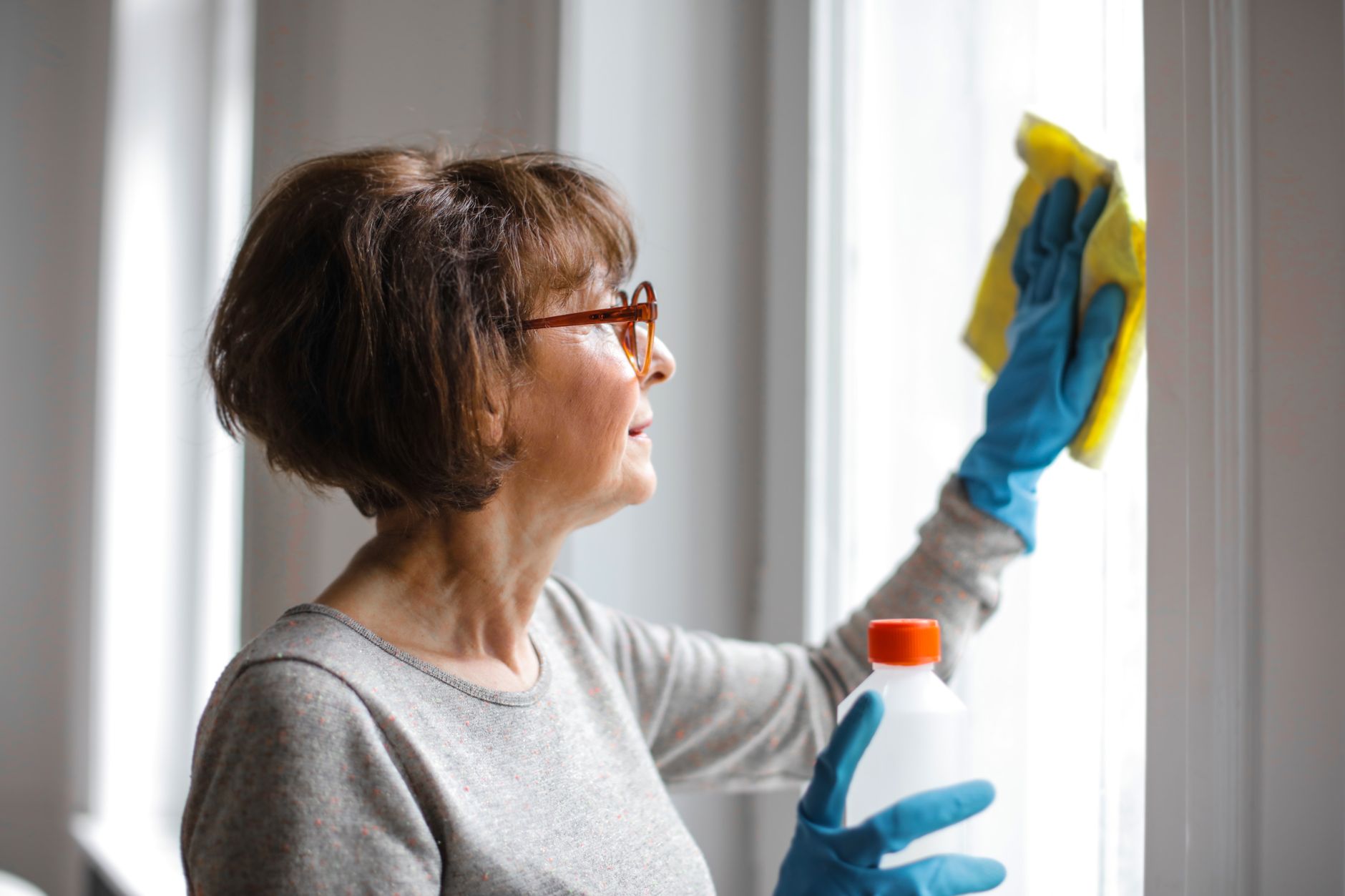
The moving season of 2026 is in full swing, and with “30 Great Cleaning Tips For Your New Home” from CMS Homes circulating everywhere, fresh homeowners are realizing something frustrating: those big, beautiful checklists work once, then collect dust. What actually sustains a clean home isn’t the marathon pre-move scrub or the quarterly deep clean—it’s the invisible system running underneath. Enter the small cleaning habits daily checklist: a micro-routine approach that’s replacing the “Sunday Scaries” cleaning panic with something far more livable.
If you’ve ever unpacked in a pristine space only to watch it devolve into clutter within 72 hours, you’re not messy. You’re missing the infrastructure. This guide builds that infrastructure, habit by habit, with zero interest in perfection.
Why Small Beats Big: The Psychology of Micro-Cleaning
Our brains resist large, ambiguous tasks. “Clean the house” triggers procrastination; “wipe the bathroom sink after brushing” slips through without resistance. That’s the core insight behind a small cleaning habits daily checklist: each item takes under 60 seconds, but the compound effect is dramatic.
Research from behavioral scientists at Duke University found that 45% of daily behaviors are habitual—automatic, not decided. The goal isn’t willpower. It’s engineering your environment so the right action becomes the default.
Here’s what that looks like in practice:
- The “One-Minute Rule”: If it takes 60 seconds or less, do it immediately. Hang the coat. Rinse the cereal bowl. Put the pen back.
- Habit stacking: Attach a micro-clean to an existing behavior. Wipe the kitchen counter while coffee brews. Swish the toilet brush before you leave the bathroom.
- Completion bias: Our brains crave finishing. Small wins release dopamine, making the next habit easier.
The result? A home that maintains itself between deeper cleans, not one that demands heroic rescue missions.
The 7 Non-Negotiables for Your Small Cleaning Habits Daily Checklist
After testing dozens of iterations across different households—single professionals, families with toddlers, remote workers in studio apartments—these seven habits emerged as the universal foundation. None require supplies beyond what you already own.
1. The Morning Sink Reset (30 seconds) Before you leave the bathroom, rinse the sink, wipe the faucet with your hand towel, and center the soap dispenser. This single act prevents the grimy buildup that makes bathrooms feel “dirty” even when they’re not.
2. The Bed Anchor (2 minutes) Not a full hotel-style tuck. Just pull the duvet straight and fluff the pillows. This creates a visual reset point that makes the entire bedroom feel more intentional.
3. The Kitchen Counter Clear (90 seconds) After each meal prep session, move everything back to its designated zone. The cutting board returns to its hook. The olive oil bottle slides into the cabinet. Counter space = mental space.
4. The Evening Floor Sweep (2 minutes) Not a full vacuum. A quick pass with a handheld or dustpan in the highest-traffic zone (usually kitchen to living room). This catches the debris that otherwise gets tracked deeper into carpets.
5. The Night-Before Prep (3 minutes) Load the dishwasher or hand-wash the day’s final dishes. Set the coffee maker. Lay out tomorrow’s items. Waking to a functional kitchen changes your entire morning energy.
6. The Drop-Zone Patrol (1 minute) Coat rack, entryway table, that chair where bags land. A nightly return of items to their proper zones prevents the “clutter creep” that consumes weekends.
7. The 10-Minute Tidy Timer One focused burst, ideally right before a transition you already enjoy (dinner, a show, bedtime). Set a timer, move through the main living space, return everything to base. Stop when it rings—no extensions.
Total daily investment: roughly 12 minutes. Distributed across natural breaks, it feels like nothing. Accumulated over a week, it replaces 3-4 hours of “catch-up” cleaning.
Customizing for Your Home’s Personality
No two homes generate identical mess. The small cleaning habits daily checklist works because it’s adaptable, not rigid.
Small apartments (under 800 sq ft): Focus on visual boundaries. The bed, the kitchen counter, and the single seating area matter disproportionately. A clear surface in each zone makes the whole space feel larger.
Homes with kids: Lower the bar. Replace “tidy” with “functional.” A basket system beats precise organization—toys land in bins, not shelves. The evening 10-minute tidy becomes a family game: beat the timer together.
New homeowners (the CMS Homes crowd): Your challenge is undefined space. You haven’t lived in these rooms long enough to know where mess accumulates. Run the basic checklist for two weeks, then identify your personal “hot spots”—the window sill that collects mail, the corner where shoes multiply. Add one targeted 30-second habit for each.
Pet owners: The daily floor sweep becomes non-negotiable. Add a 60-second “paw check” at entry points during muddy seasons.
The checklist should evolve. Review monthly: which habits stuck? Which feel like friction? Replace before you abandon entirely.
The Technology Trap: When Apps Hurt More Than Help
Here’s a contrarian take in our productivity-obsessed era: the best small cleaning habits daily checklist lives in your head, not your phone.
Apps with streaks, points, and notifications introduce a new form of clutter. They turn maintenance into performance. When you miss a day—and you will—the broken streak becomes a reason to quit entirely.
Instead, use environmental cues. A specific dish soap scent for evening kitchen duty. A playlist that runs exactly 10 minutes for your tidy timer. These anchor habits to sensory triggers, not digital obligations.
If you must track, use the simplest possible system: a paper calendar with a single checkmark for days you completed your core habits. The visual chain becomes its own motivation without the complexity.
Building Your First Week: The Soft Start Method
The biggest mistake with any new routine? Starting at full intensity. Here’s a gentler path:
Days 1-2: Choose just two habits. Morning sink reset and evening kitchen clear. Master the rhythm.
Days 3-4: Add the bed anchor and drop-zone patrol. Notice how these four interact.
Days 5-6: Introduce the 10-minute tidy timer. This is usually the habit that feels most transformative.
Day 7: Assess. Which felt natural? Which required reminders? Adjust before expanding.
By week two, most people naturally incorporate the full seven. The soft start prevents the “new routine burnout” that kills 80% of habit attempts by day five.
Conclusion: The Home That Holds You
A small cleaning habits daily checklist isn’t about having the cleanest house on the block. It’s about building a home that supports your actual life—the messy, full, sometimes chaotic one—not a fantasy version that requires two hours of maintenance daily.
The 2026 moving season has thousands of new homeowners staring at pristine spaces, wondering how to keep them that way. The answer isn’t bigger checklists or stronger cleaners. It’s smaller actions, stacked consistently, until they disappear into the background of your day.
Start with two habits tomorrow. Add as they stick. Within a month, you’ll have a system that asks almost nothing of you—and gives back hours of weekend freedom, reduced mental load, and the particular calm of a space that simply works.
Your home should be the place where you recover from the world. Give it the small daily attention it deserves, and it will return that care tenfold.